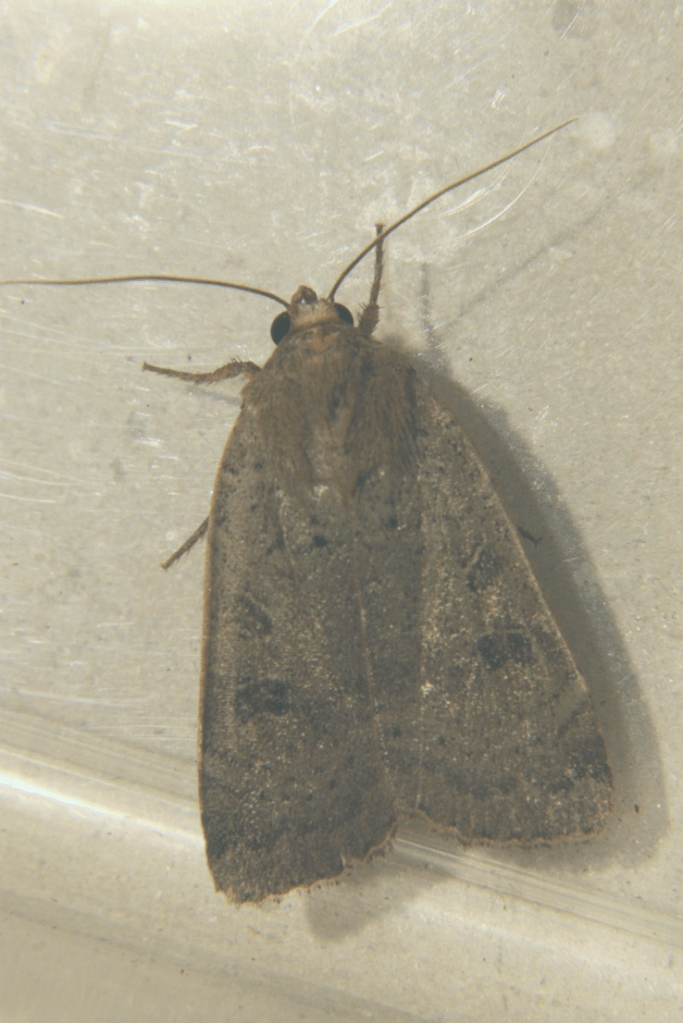
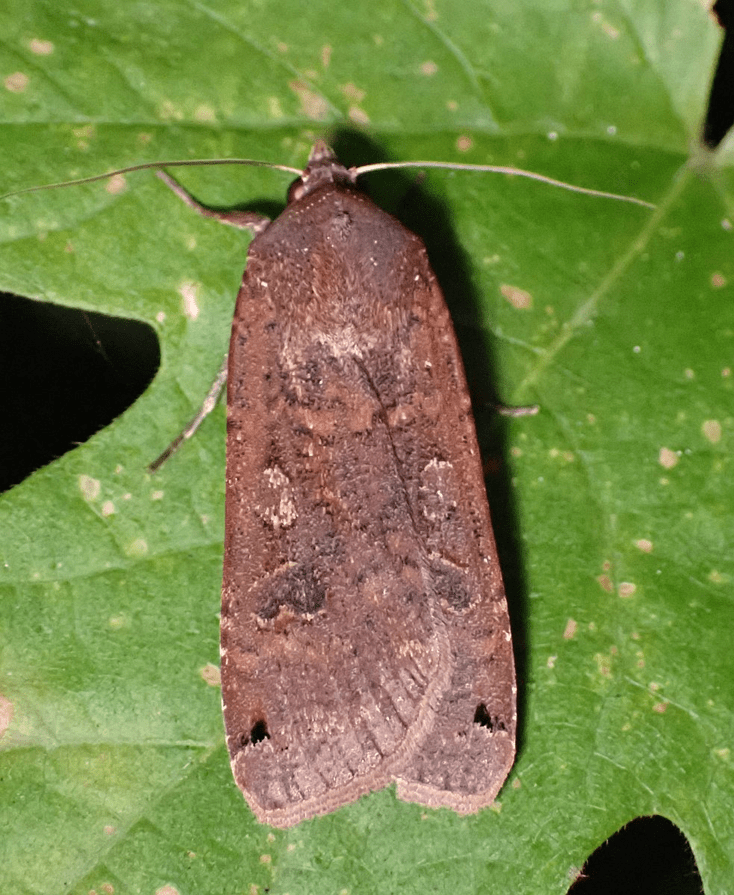
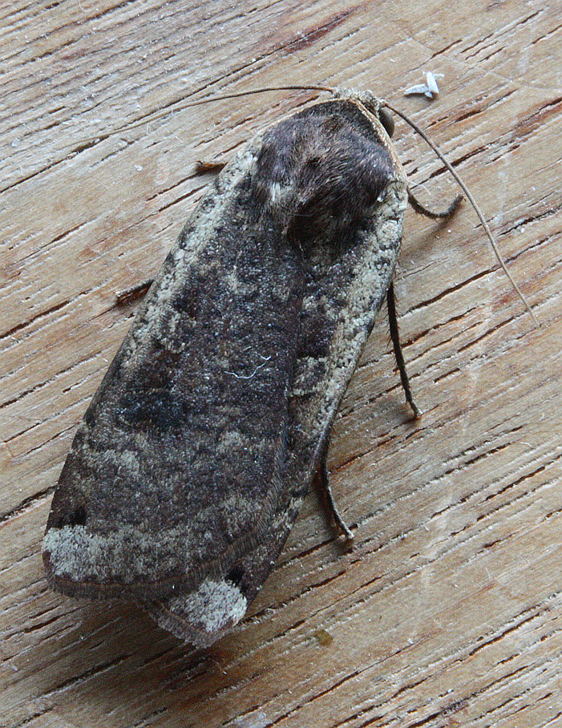
Jeremy Tatum writes: This moth flew into my Saanich apartment last night.
Lesser Yellow UnderwingNoctua comes(Lep.: Noctuidae) Jeremy Tatum
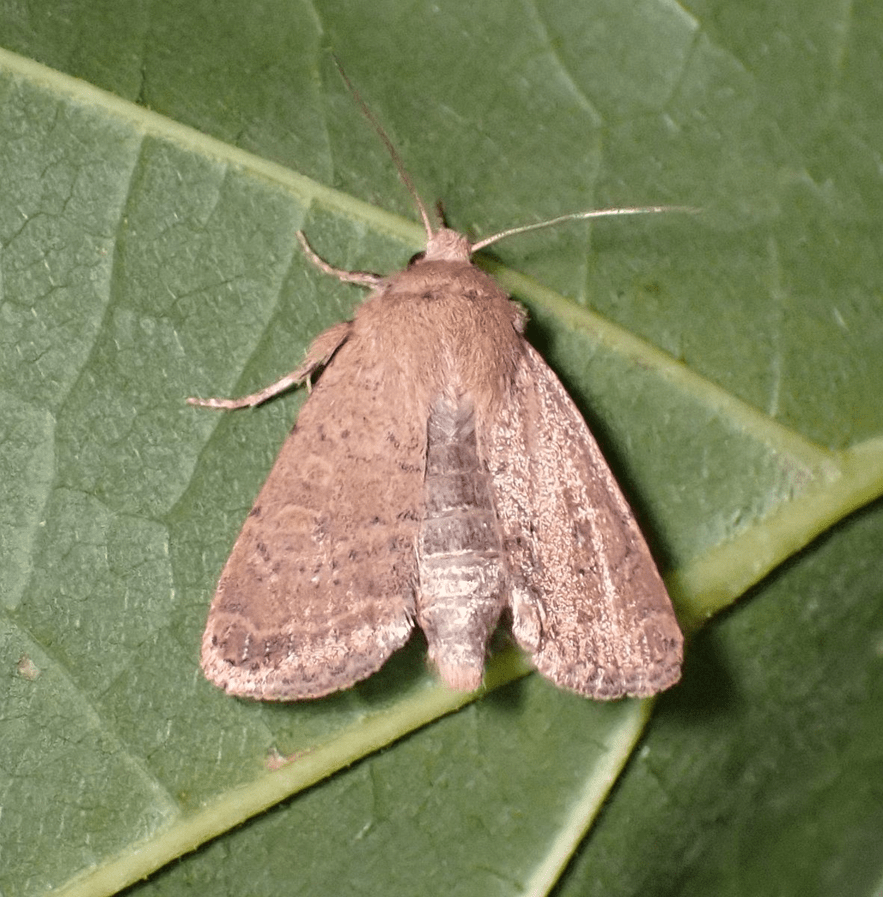
Here are some pictures obtained by Ian Cooper from Colquitz and View Royal last night. Thanks to Libby Avis for tracking down this difficult moth to one or other of two in the genus Homorthodes
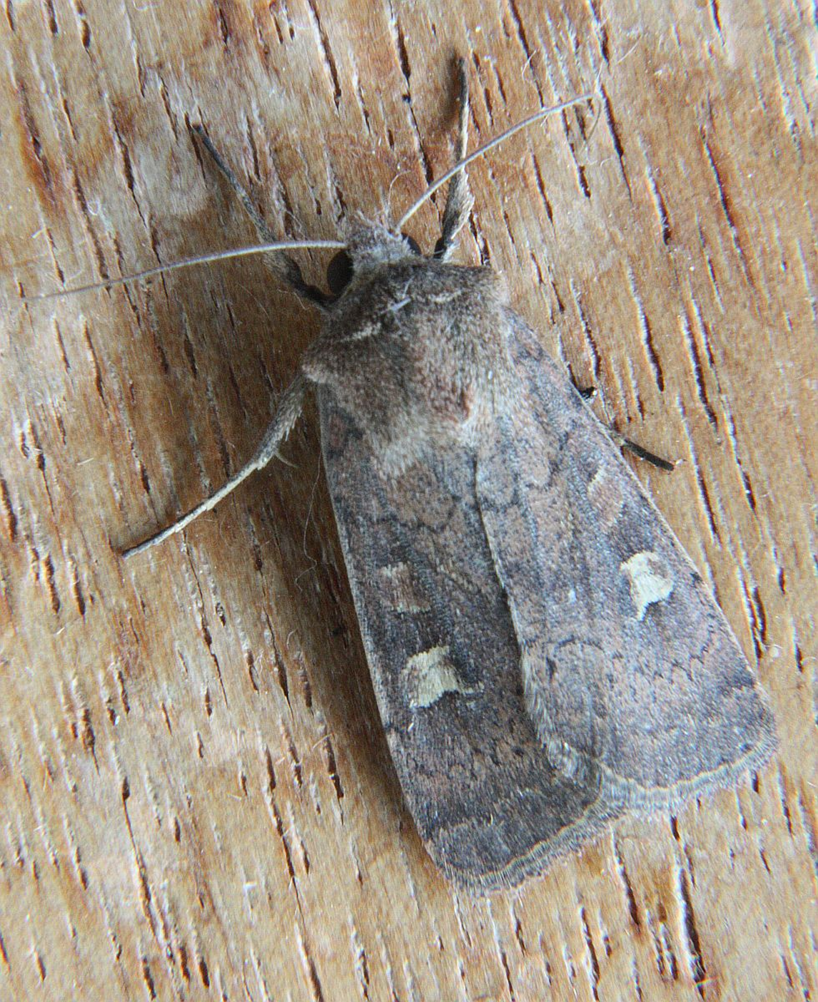
Homorthodes communis /fractura (Lep.: Noctuidae) Ian Cooper
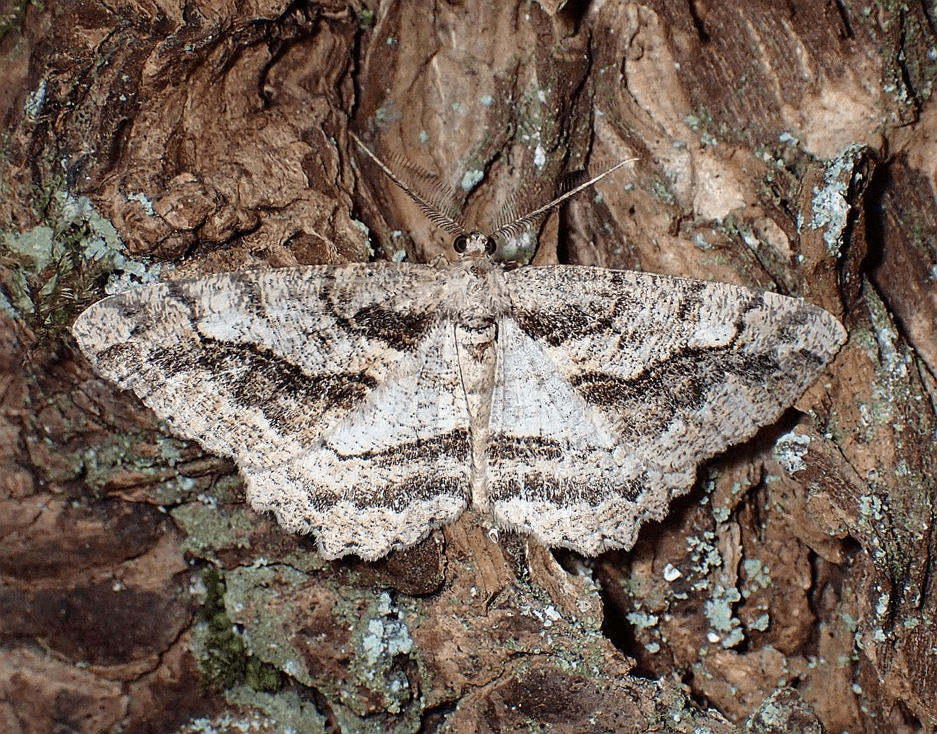
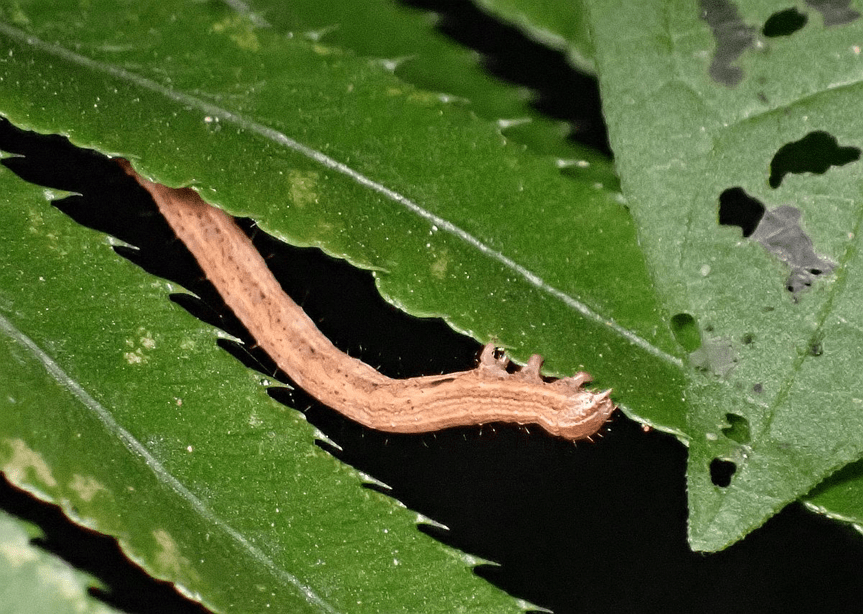
Neoalcis californiaria (Lep.: Geometridae) Ian Cooper
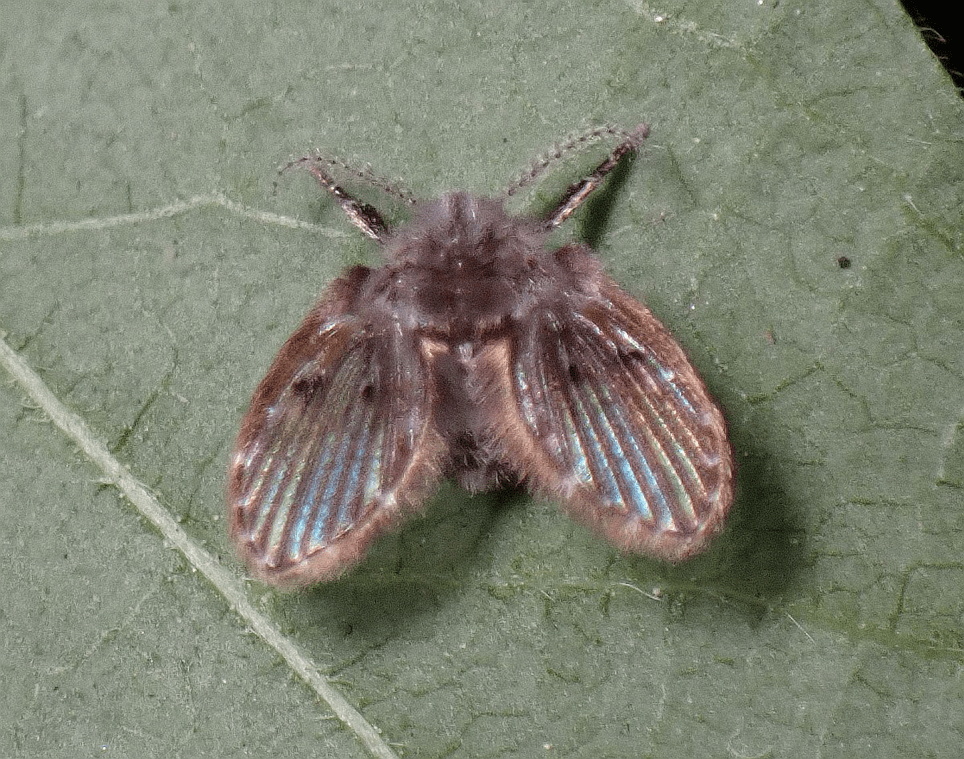
Drain Fly (Dip.: Psychodidae) Ian Cooper
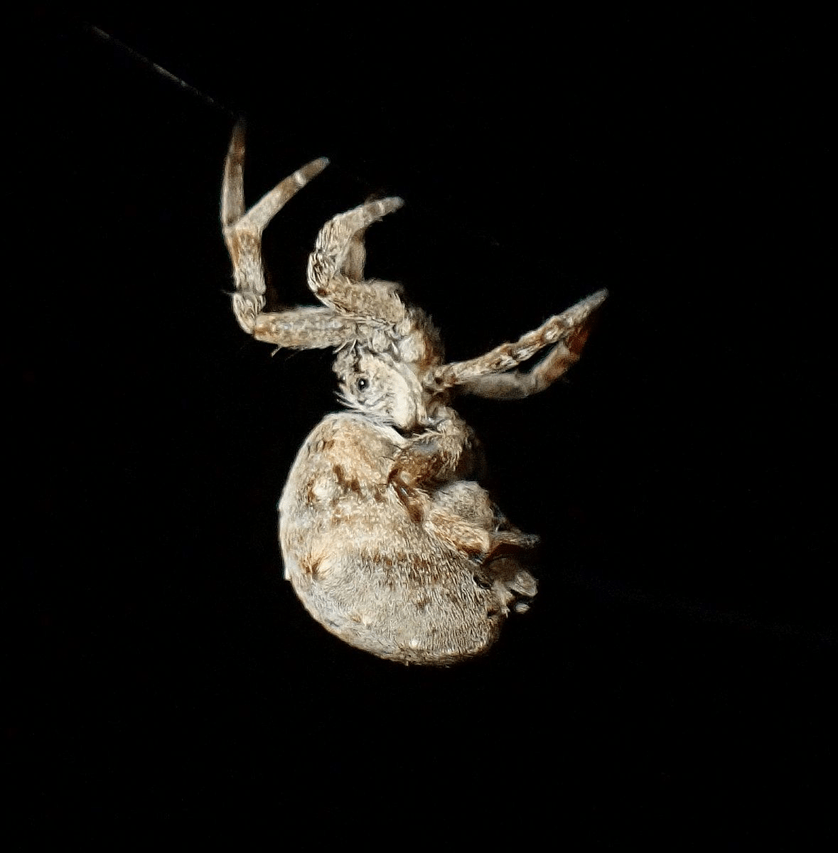
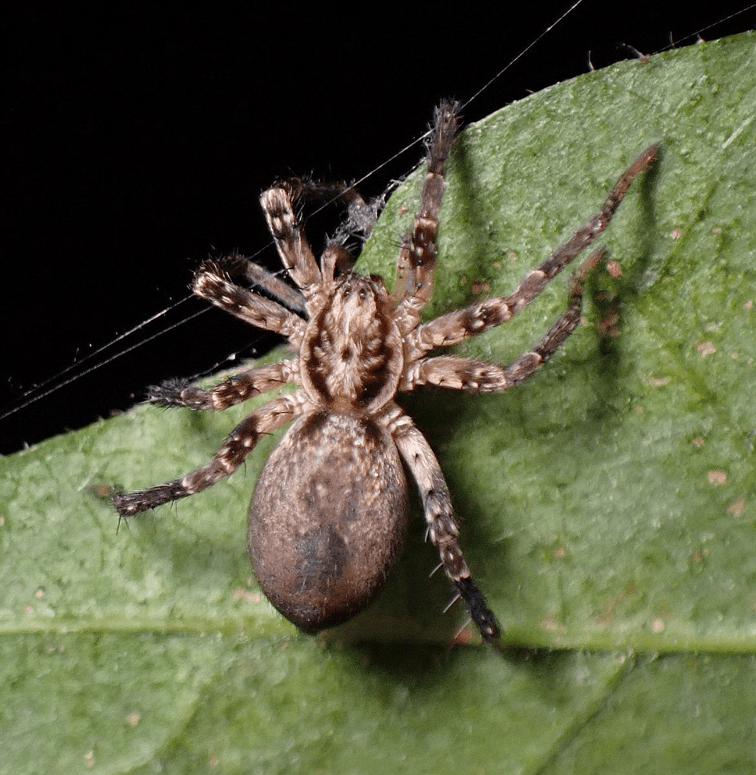
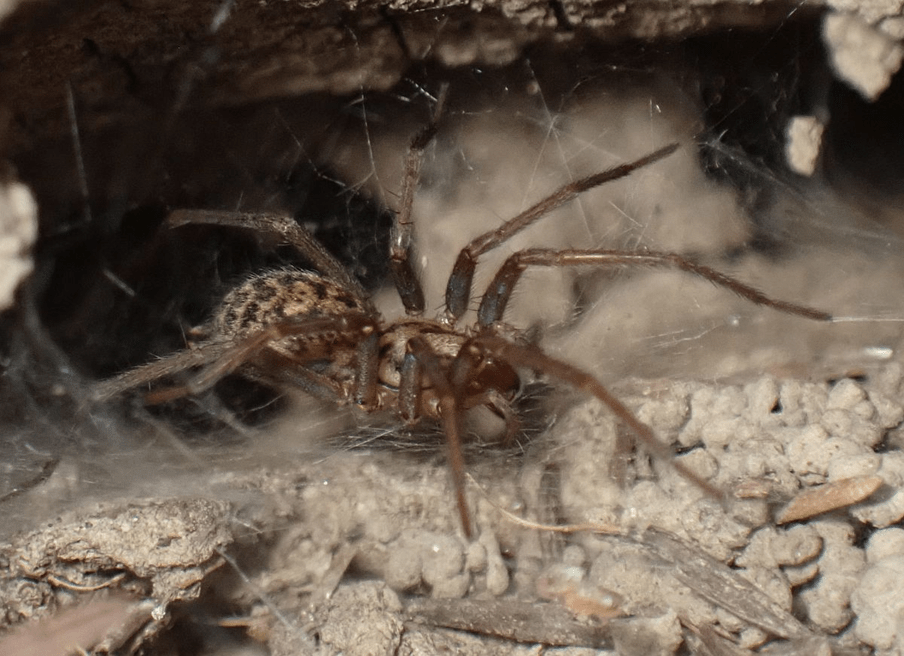
Triangle web spider Hyptiotes gertschi (Ara.: Uloboridae) Ian Cooper
While there are still Cabbage White butterflies to be seen, no non-Cabbage butterflies have been reported to Invertebrate Sightings since August 25. Please let us know if you see any.
Jeff Gaskin reports seeing a couple of interesting dragonflies today. On September 2, there was a Common Green Darner in Esquimalt Gorge Park and on the same day there was a Black Saddlebags at Summit Park reservoir.
Here is another collection of creatures photographed by Ian Cooper in View Royal near the 9 km marker on Sunday evening, August 31.
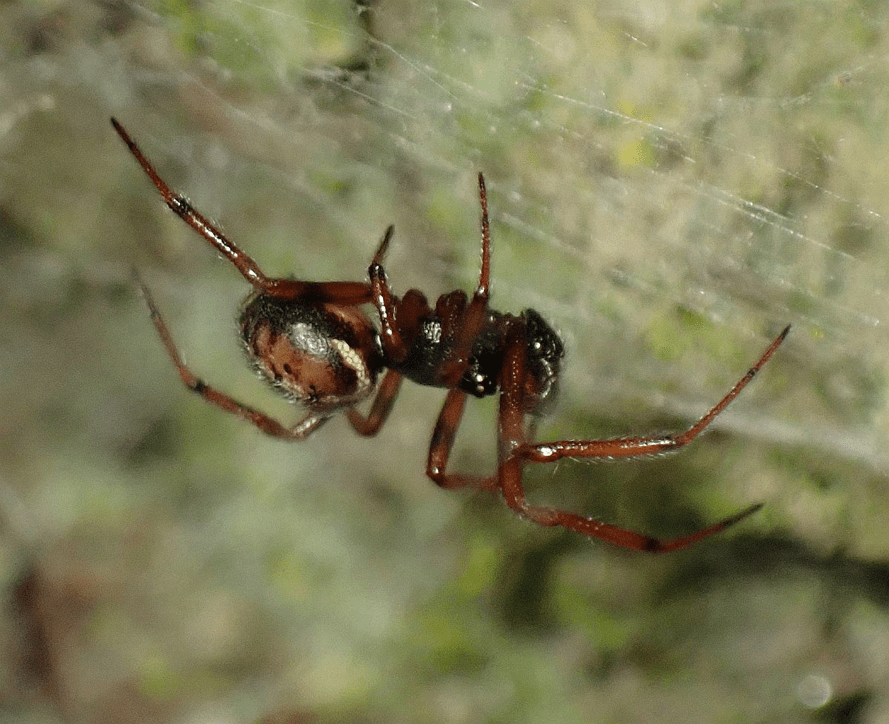
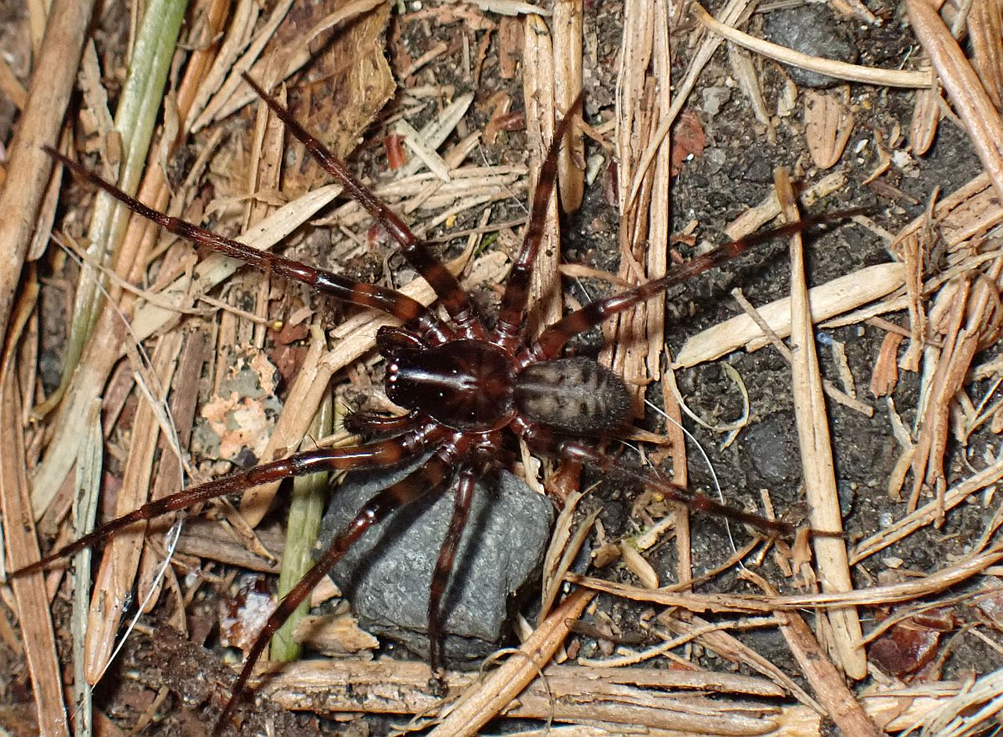
Cybaeus (probably signifer) (Ara.: Cybaeidae) Ian Cooper
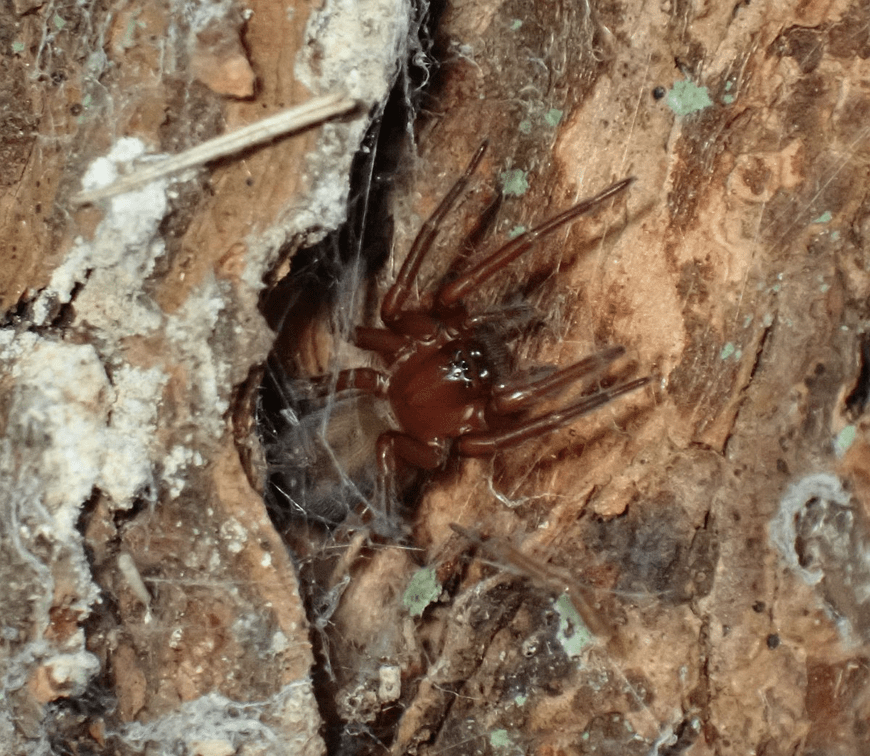
Callobius pictus (Ara.: Amaurobiidae) Ian Cooper
Dome Spider Possibly Neriene litigiosa (Ara.: Linyphiidae) Ian Cooper
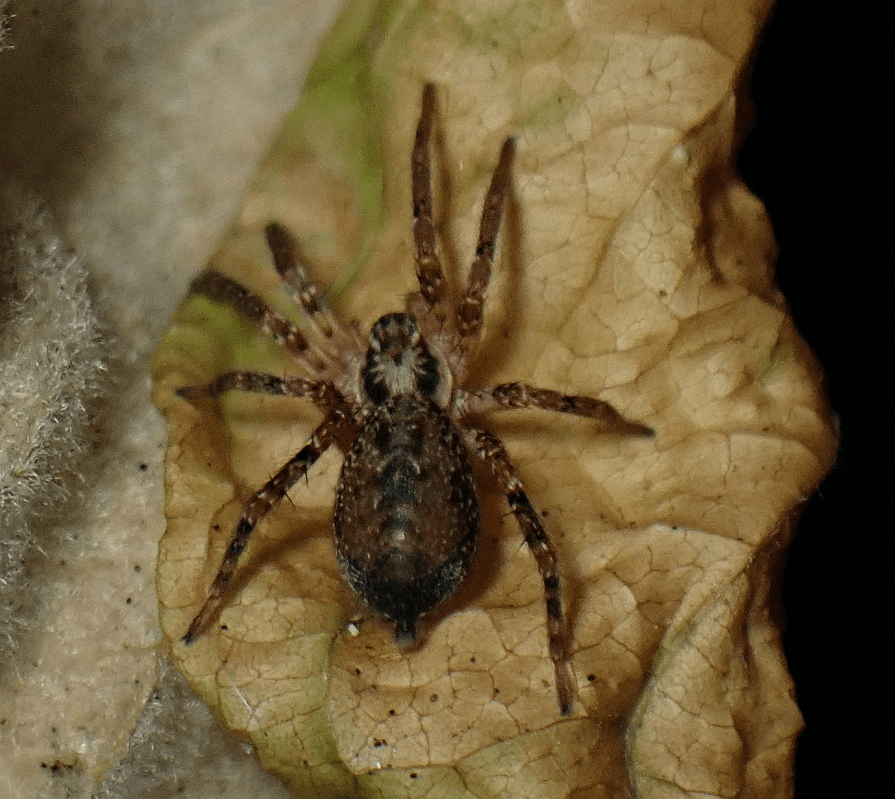
Anyphaena aperta (Ara.: Anyphaenidae) Ian Cooper
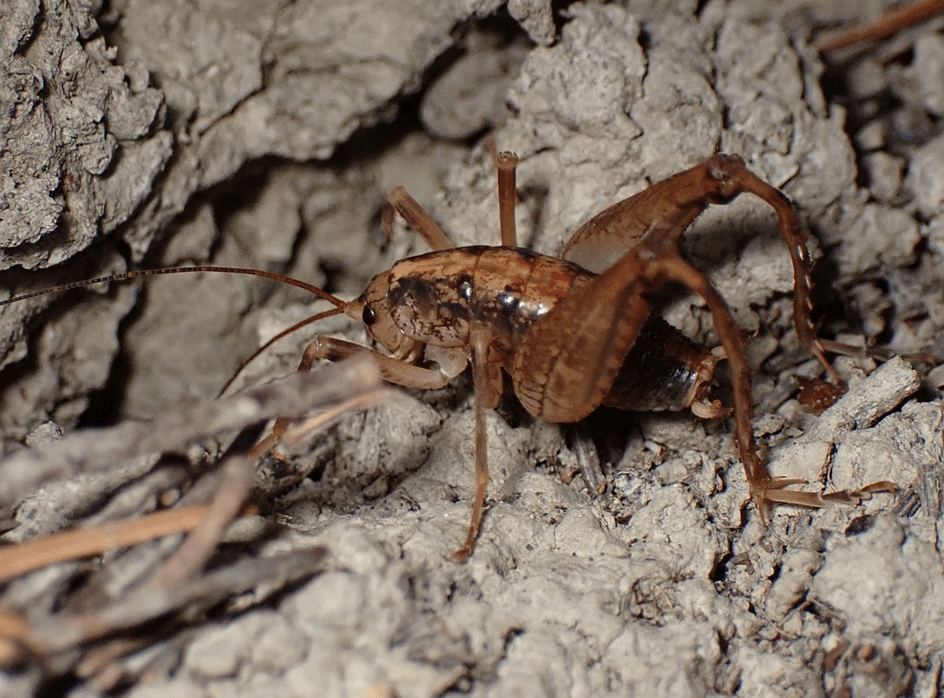
Camel Cricket Pristoceuthophilus celatus (Orth.: Rhaphidophoridae) Ian Cooper
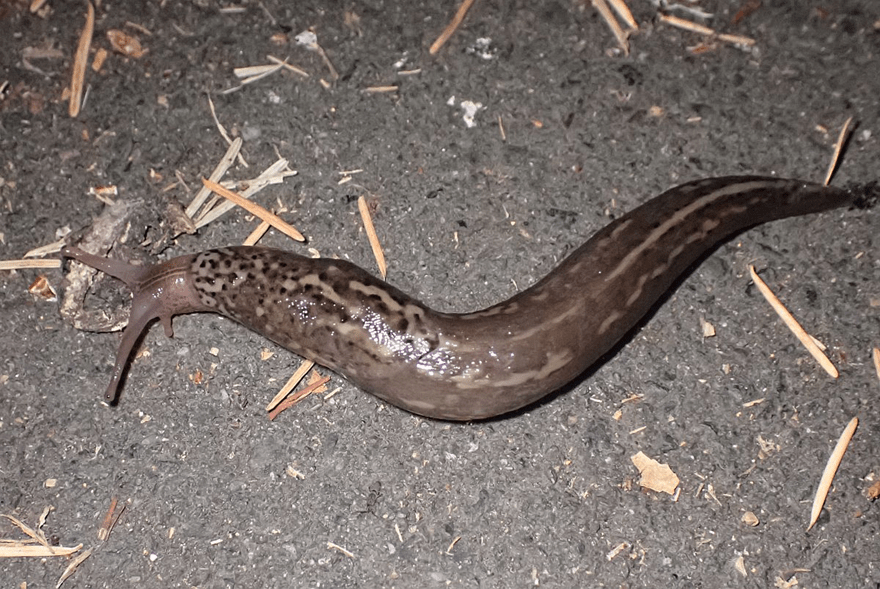
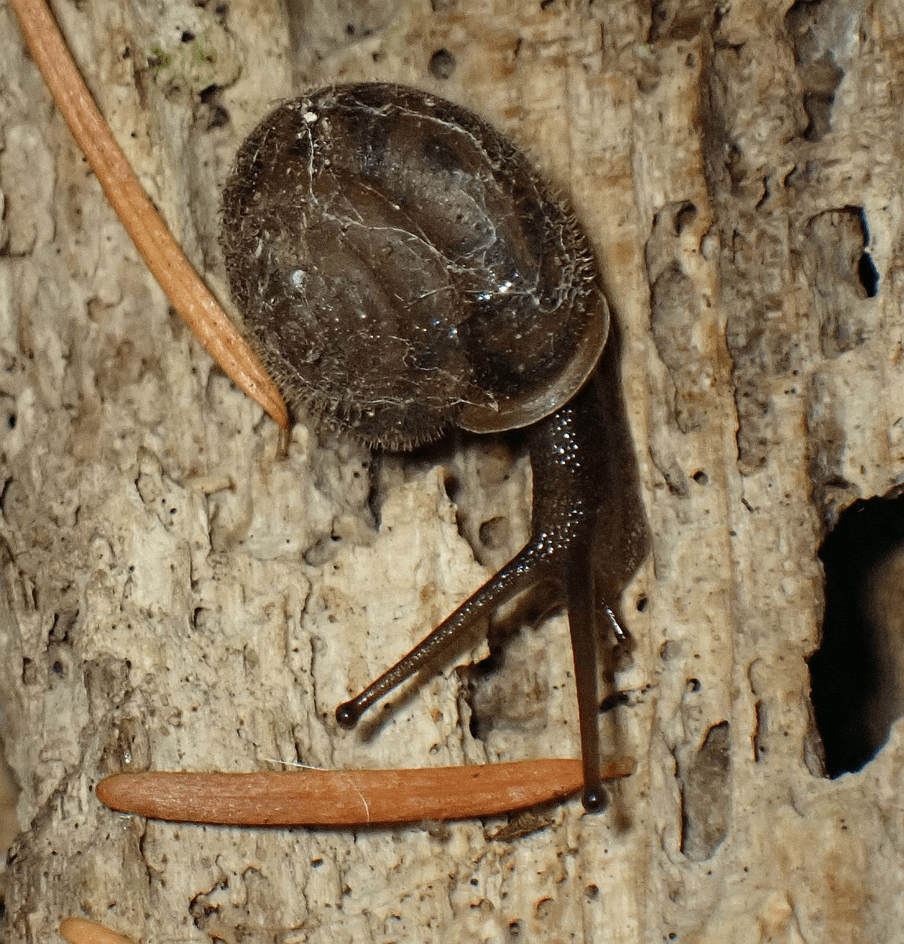
Leopard slug Limax maximus (Pul.: Limacidae) Ian Cooper
Here is a collection of Ian Cooper’s photographs of the miscellaneous often-unseen creatures at our feet.
Callobius pictus (Ara.: Amaurobiidae) and Orchesella cincta (Coll.: Orchesellidae) Ian Cooper The presence of the springtail shows how small the spider is.
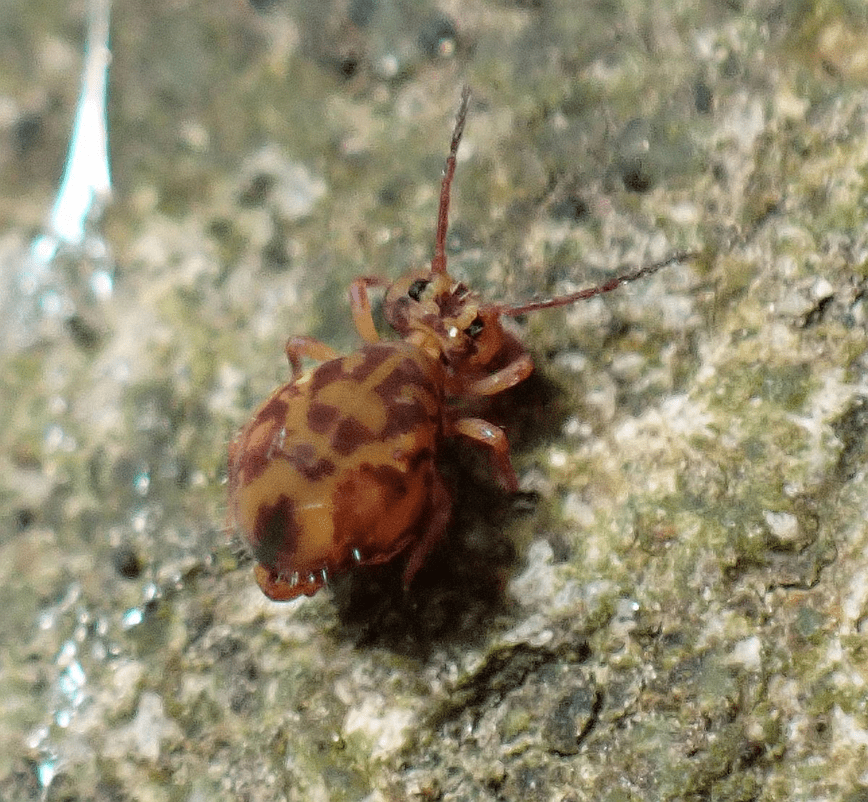
Globose springtail Ian Cooper
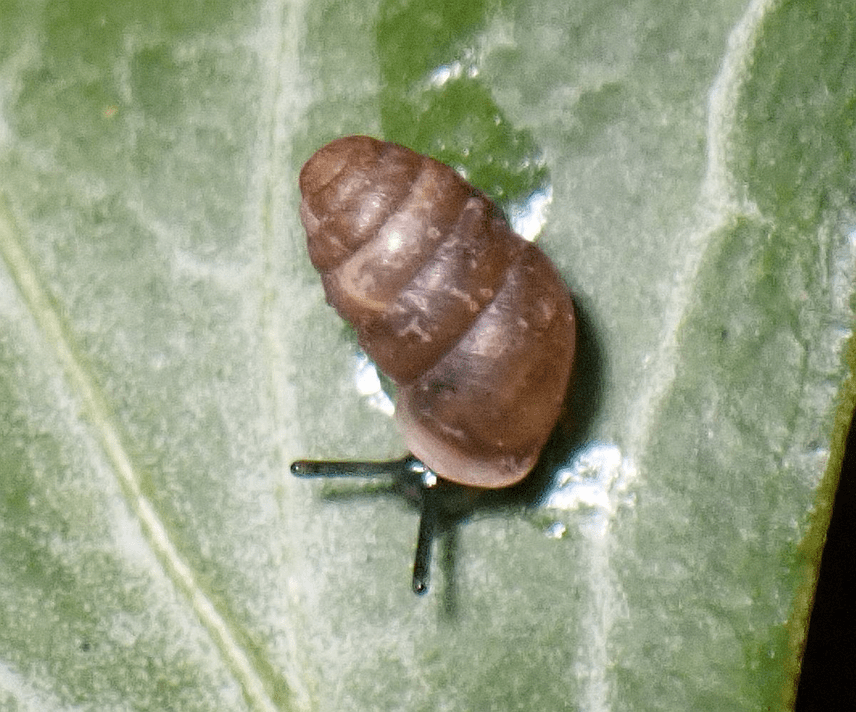
Lauria cylindracea (Pul.: Lauriidae) Ian Cooper
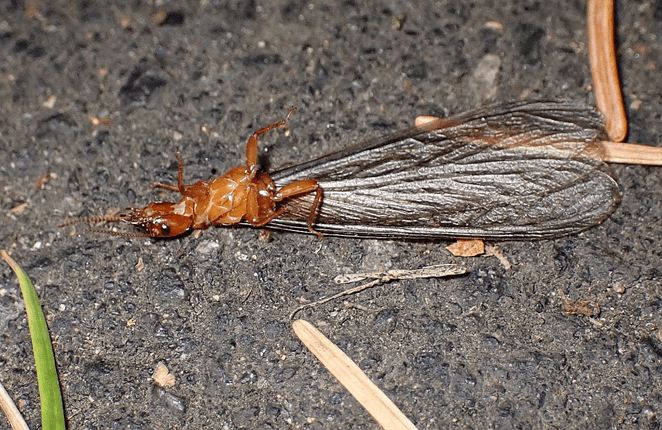
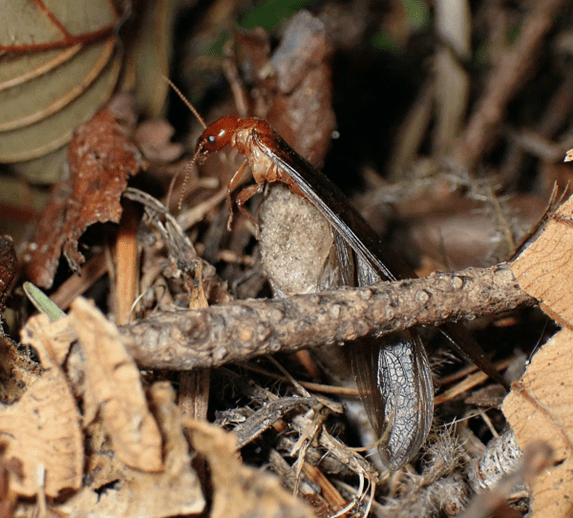
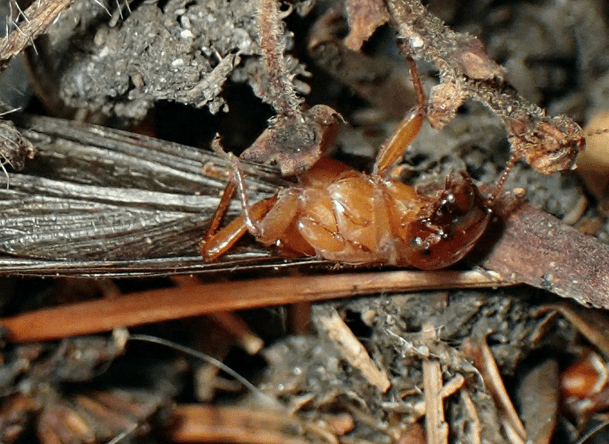
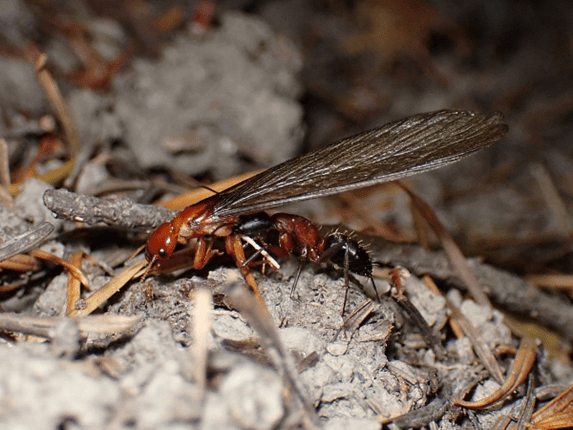
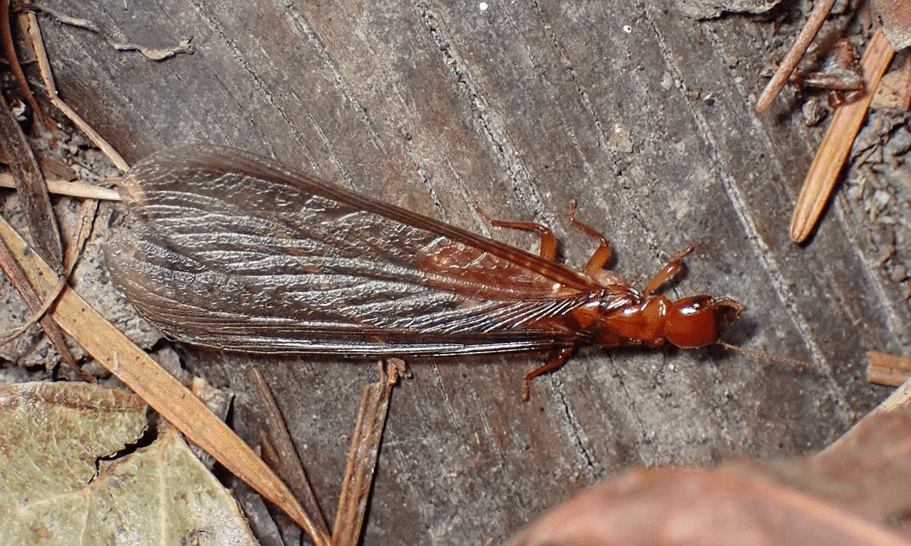
Ian writes: One recurring scene I’ve encountered a couple of times recently are Dampwood Termites who are on the move, alive and still have their wings, but upon closer scrutiny, are missing their abdomens. I felt badly for the poor struggling termites I’ve seen in this condition. I have to assume these doomed critters had fallen prey to very recent attacks by ground beetles or Carpenter ants, as I’ve seen both of those predators dragging along captured Dampwood Termites in recent days.
Dampwood Termites with missing abdomens Ian Cooper
Here are some photographs taken by Ian Cooper on the evening of August 31 near the 9 km marker of the GG trail in View Royal.
Describing the first of these photographs, Ian writes: This photograph is one of multiple photos taken during a prolonged fight between two carpenter ants spotted by the edge of the GG trail. One ant was larger than the other, but not by much. They remained locked in battle for over five minutes. It was a bizarre scene to witness. Only when examining the photos and video of their struggle afterwards did I finally see what was keeping them so engaged with each other: Each ant had one of its appendages in the vice-like grip of its adversary’s powerful mandibles and neither was letting go as they flailed about in the detritus. The smaller ant had a firm grasp on the front right leg of the larger ant, who in turn had managed to grab onto one of its opponent’s antennae. I’ve never seen two ants of the same species fighting each other before and wonder if they may have been from rival colonies.
Western Black Carpenter Ants Camponotus modoc (Hym.: Formicidae) Ian Cooper
Red Carpenter Ant Camponotus vicinus (Hym.: Formicidae) Ian Cooper
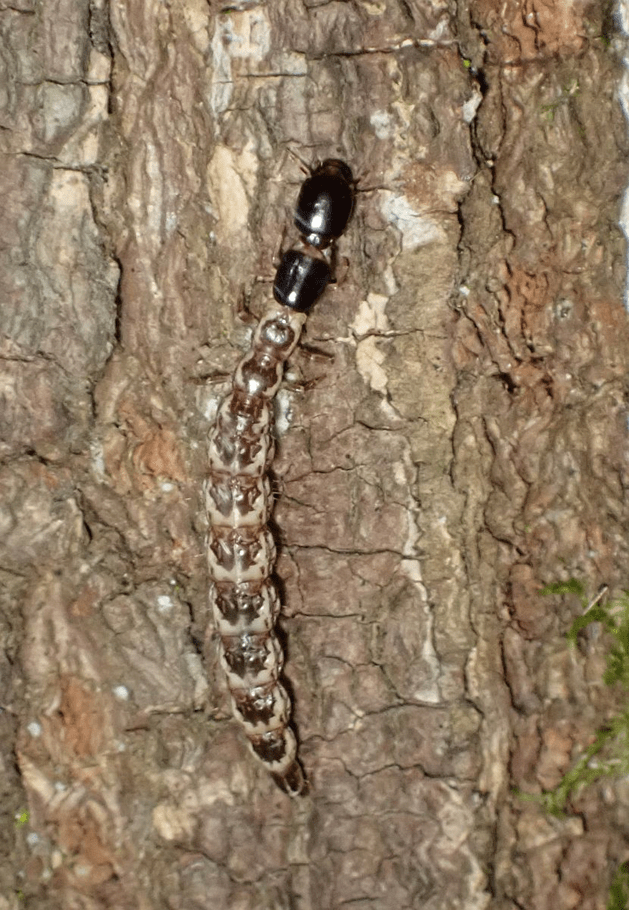
Snail-eating Beetle Scaphinotus angusticollis (Col.: Carabidae) Ian Cooper
Ian writes: I’m starting to see these beetles more frequently. According to iNat, they’re most abundant in September – October.
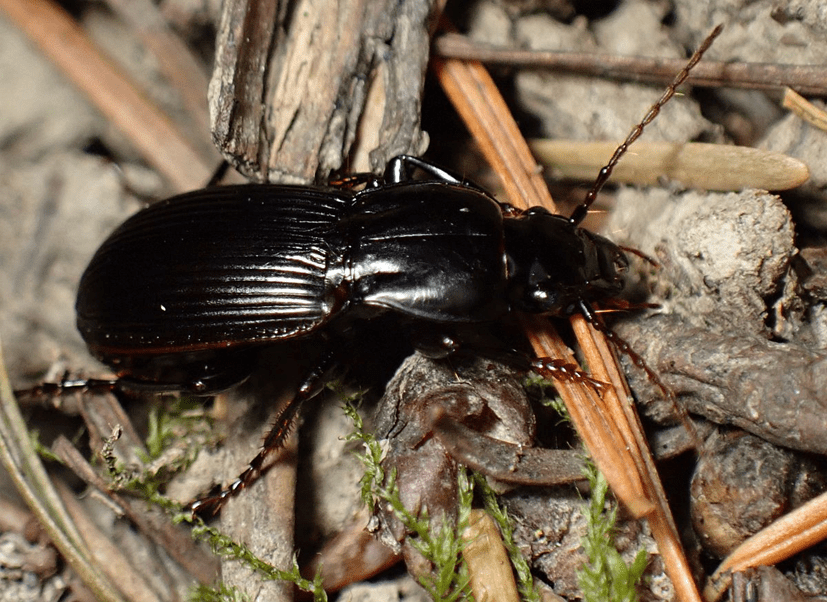
Pterostichus sp. (Col.: Carabidae) Ian Cooper
Ian writes: These dark ground beetles are at present abundant by the trail. They generally flee when illuminated, which makes them hard to photograph. Occasionally I come across one that’s engrossed in eating something and doesn’t flee, which allows me to photograph it.
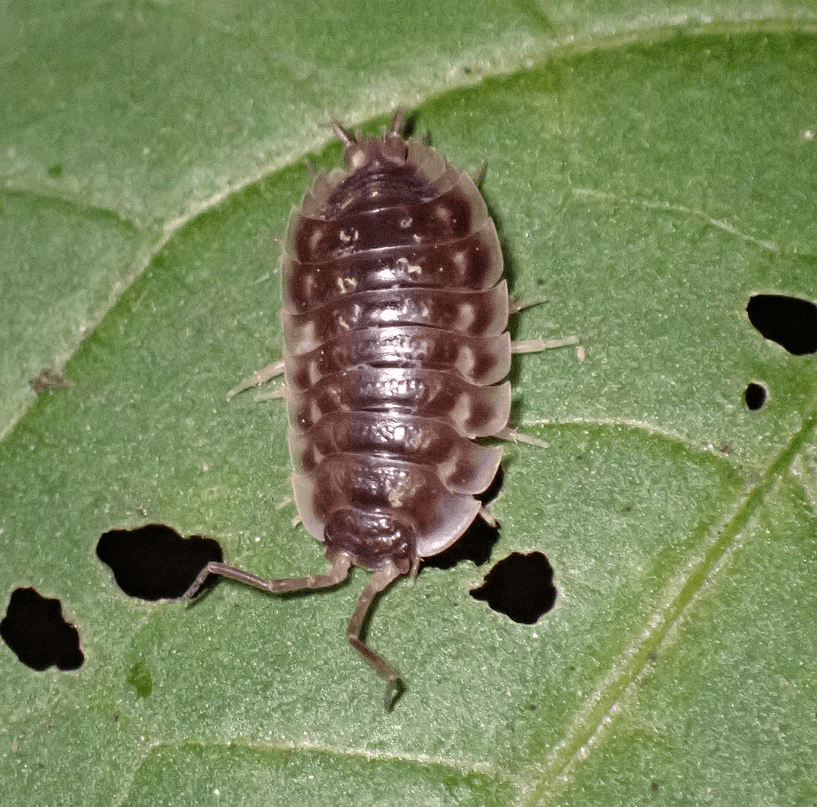
European Sowbug Oniscus asellus (Isopoda: Oniscidae) Ian Cooper
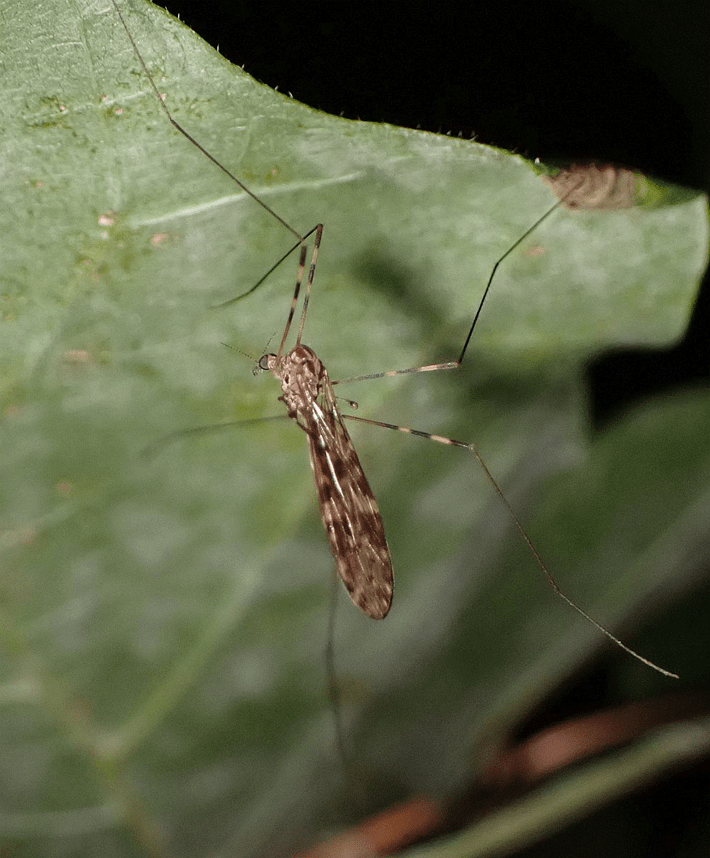
Unidentified nematoceran fly (Dip.: Nematocera) Ian Cooper
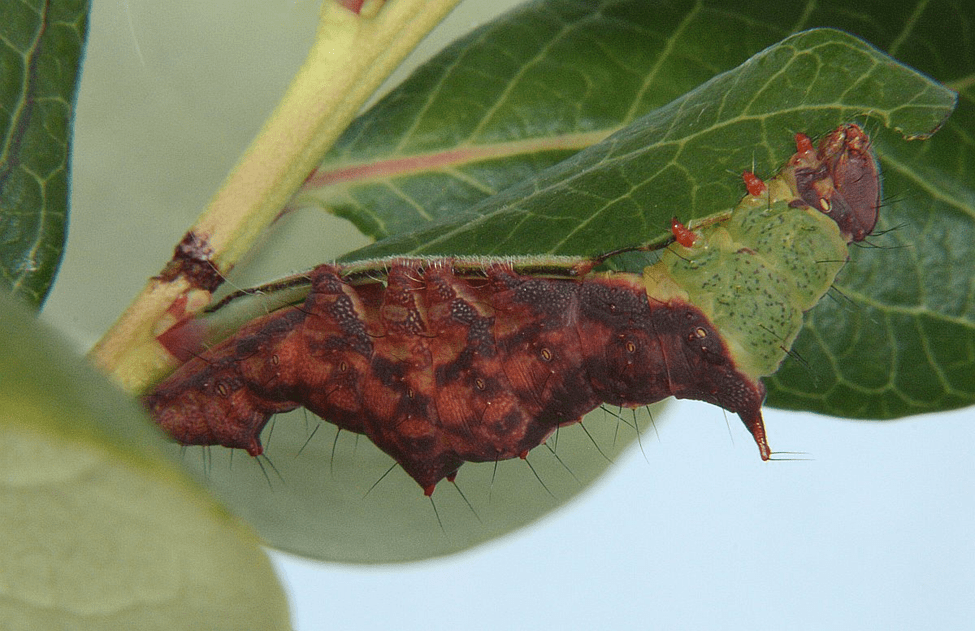
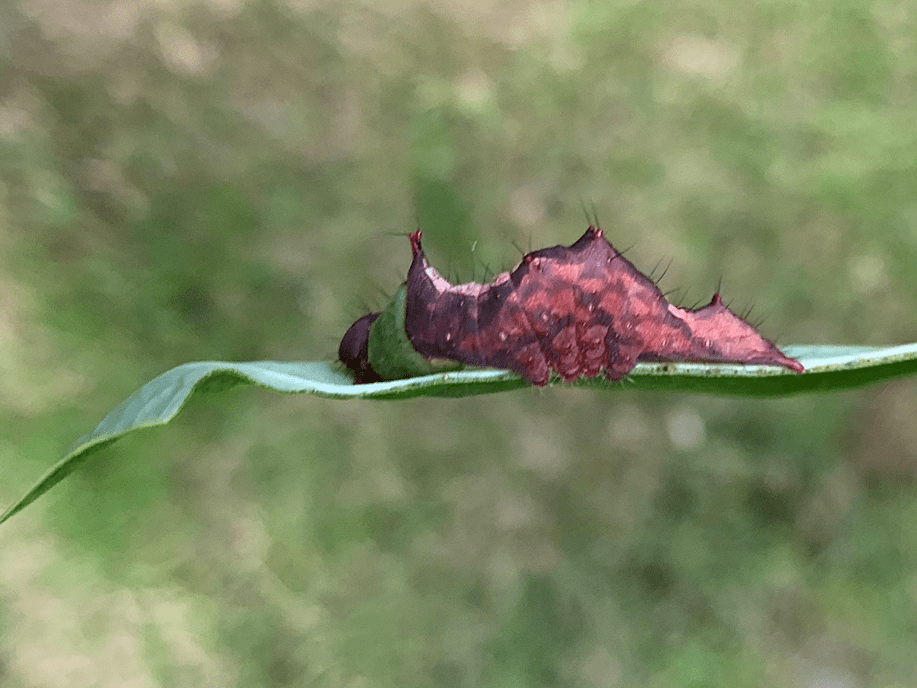
On the posting of August 27 evening, we showed a caterpillar found by Mike and Barb McGrenere, which, writes Jeremy Tatumj, I wasn’t sure was Schizura unicornis or S.ipomoeae. I am now “fairly sure” that it is the latter, although I may need to wait until the adult moth emerges next spring to be absolutely certain.
There have been some taxonomic and spelling changes for the three unicorn-like moths that I have seen in our area.
Old names: Schizura unicornis Schizura ipomoeae Oligocentria semirufescens
New names: Coelodasys unicornis Schizura ipomaeae Oedemasia semirufescens
S. ipomaeae is named after the Morning Glory flower, Ipomoea sp., and should have been spelled S. ipomoeae. However, in the original scientific description, it was misspelled S. ipomaeae, and so this is the spelling that has to be used for the scientific name of the moth. The moth has the English name Morning Glory Prominent.
A similar situation exists for the Bedstraw Hawk Moth Hyles gallii. It is named after the plants known as bedstraws Galium sp., and so the moth should be H. galii. However, it was misspelled gallii in the original scientific description, and so the spelling gallii stands for the moth.
There is a small difference between these two cases. Whereas the caterpillar of the Bedstraw Hawk Moth eagerly feeds on bedstraws, no one seems to know what connection (if any – probably none!) the Morning Glory Prominent has with the Morning Glory flower.
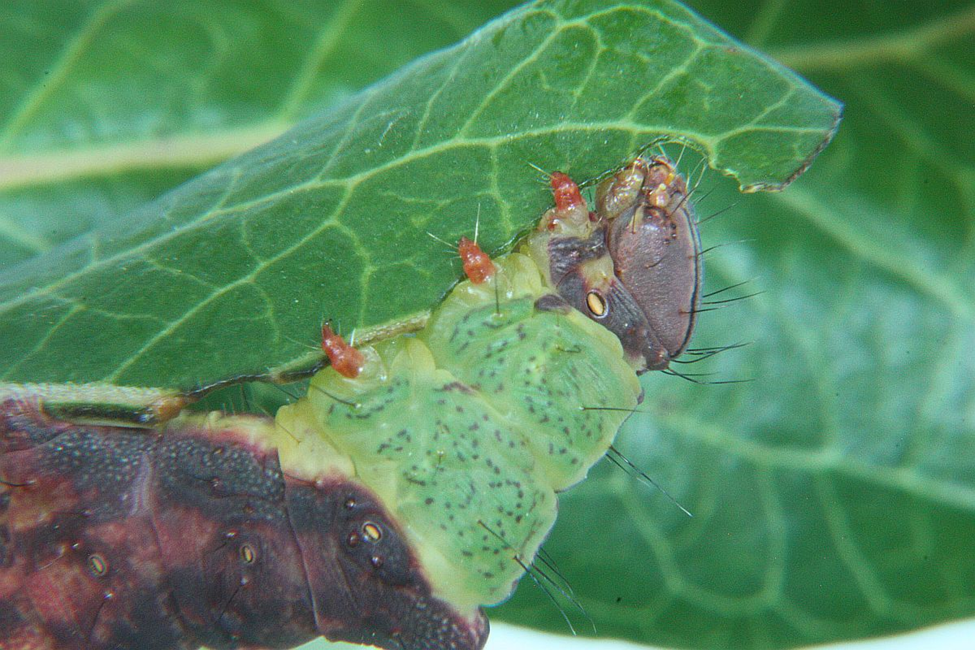
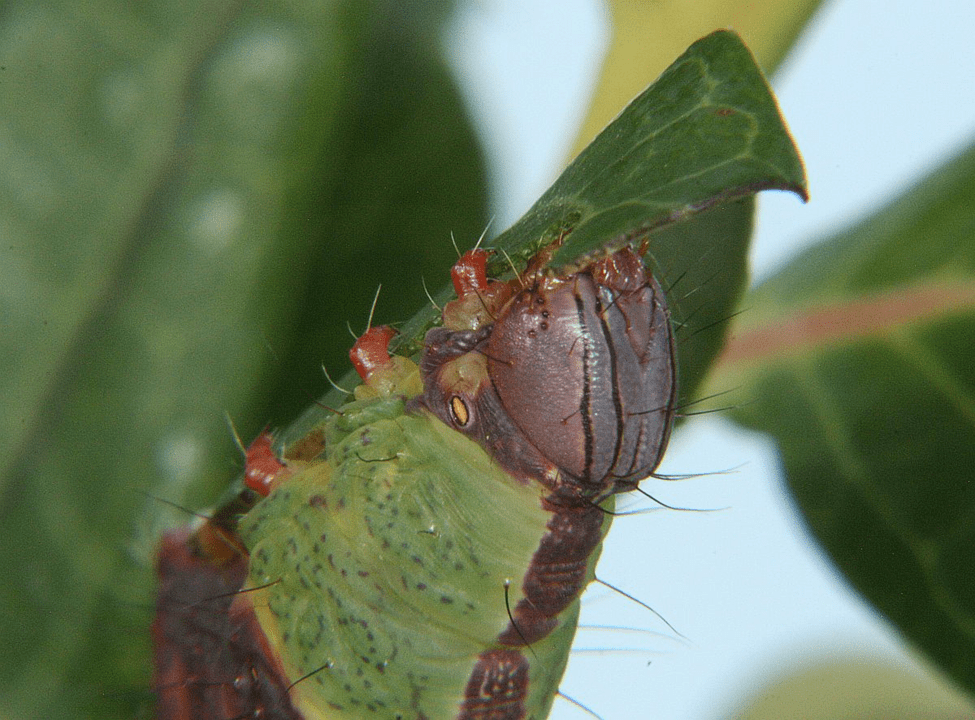
In order to help with the identification of Mike and Barb’s caterpillar, I took some close-up photographs – see below.
Probably Schizura ipomaeae (Lep.: Notodontidae) Jeremy Tatum
Probably Schizura ipomaeae (Lep.: Notodontidae) Jeremy Tatum
Probably Schizura ipomaeae (Lep.: Notodontidae) Jeremy Tatum
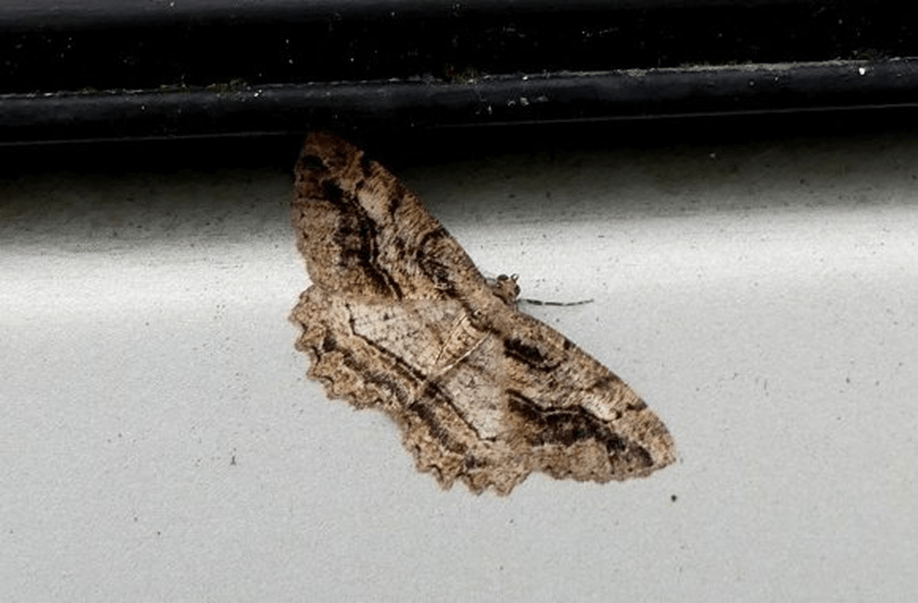
Aziza Cooper writes: On August 29, this moth was on a car at Salsbury Way.
Neoalcis californiaria (Lep.: Geometridae) Aziza Cooper
Ian Cooper writes: Here are six more pictures from my August 27 photo shoot in View Royal.
I’ve been seeing quite a few Callobius pictus spiders around as well as many Araneus diadematus spiders, including observing some male and female mating ‘engagement’ behaviour. For example, noticing a male and female Araneus diadematus on the same plant and watching them slowly edge close to each other and eventually begin to play ‘footsies’ while still keeping some distance. Also seeing the same two spiders remaining in close proximity on the same plant over a couple of days, as if they had become a live-in couple sharing the same web (to be clear, not an ‘orb’ construction). I suppose someone who has studied these spiders’ behaviour closely would know about such mating dynamics, but to me it was both fascinating and bit of a revelation to see the two relating to each other and also remaining close over time.
Anyphaena aperta (Ara.: Anyphaenidae) Ian Cooper
Callobius pictus (Ara.: Amaurobiidae) Ian Cooper
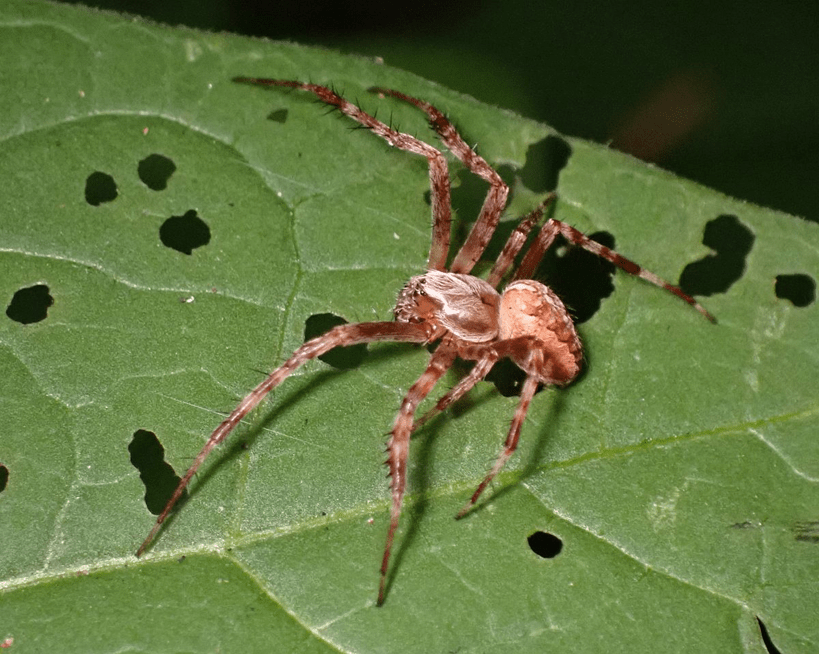
Male Cross Orb-weaver Araneus diadematus (Ara.: Araneidae) Ian Cooper
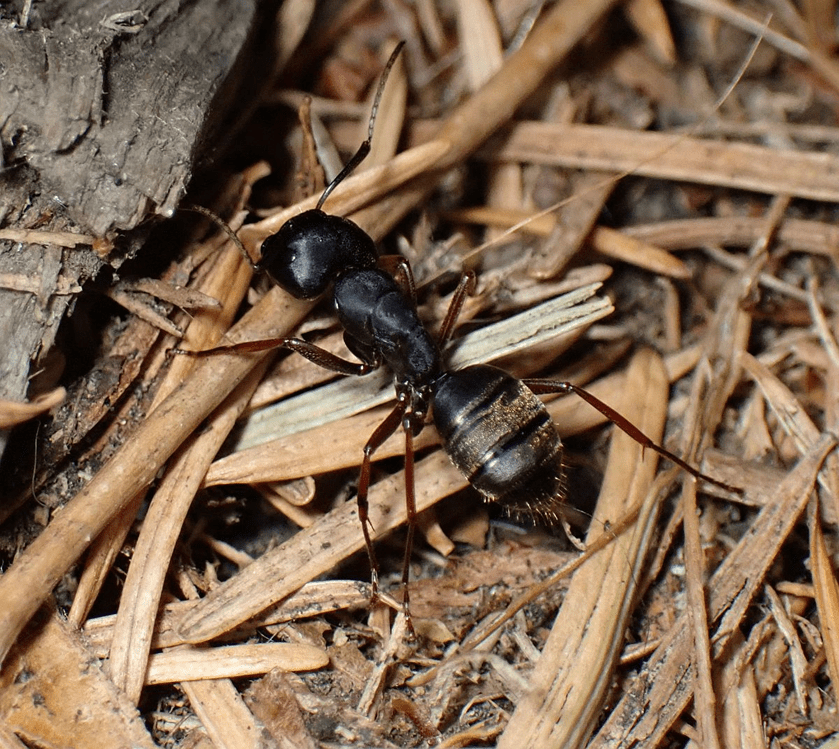
Western Black Carpenter Ant Camponotus modoc (Hym.: Formicidae) Ian Cooper
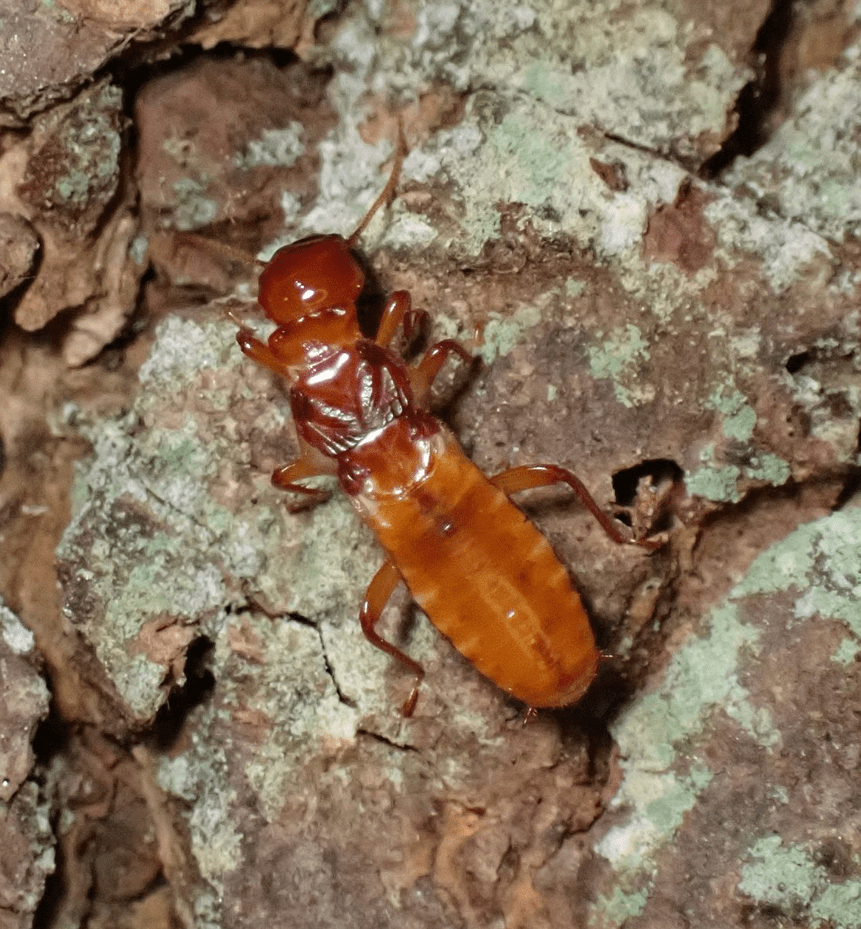
Pacific Dampwood Termite Zootermopsis angusticollis (Blattodea: Archotermopsidae) Ian Cooper
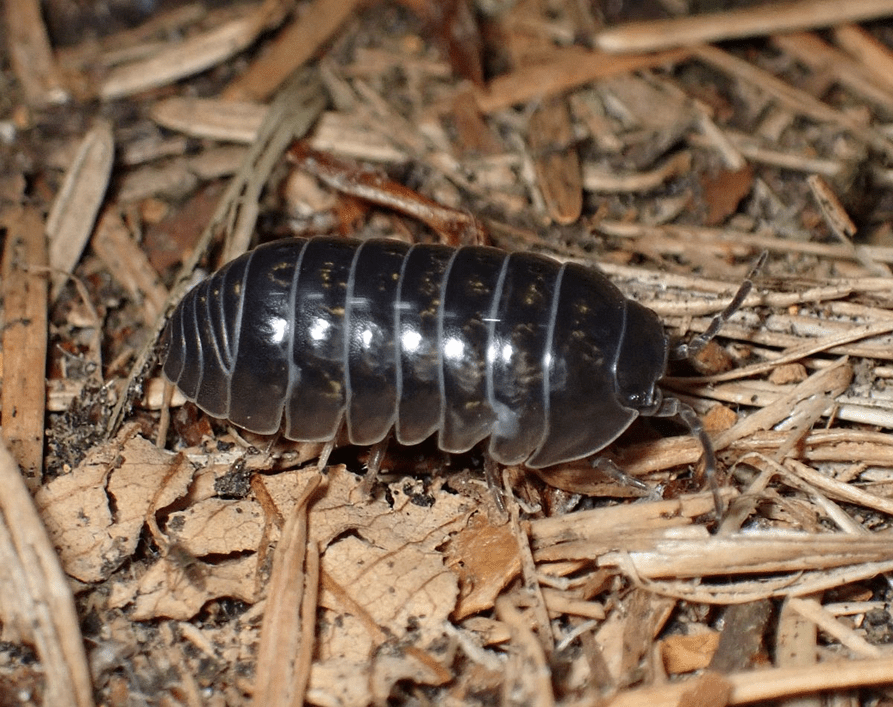
Common Pillbug Armadillidium vulgare (Isopoda: Armidillidiidae) Ian Cooper
Jeremy Tatum writes: The moth below was one of two individuals of the species on the wall of my Saanich apartment this morning. Like the two Noctua species that we often see on this site, this moth is a European introduction. It is known in the U.K. as the Square-spot Rustic, although, when talking to myself (only), I call it “X x”.
Square-spot Rustic Xestia xanthographa (Lep.: Noctuidae) Jeremy Tatum
Here are six pictures from Ian Cooper’s August 27 photo shoot in View Royal.
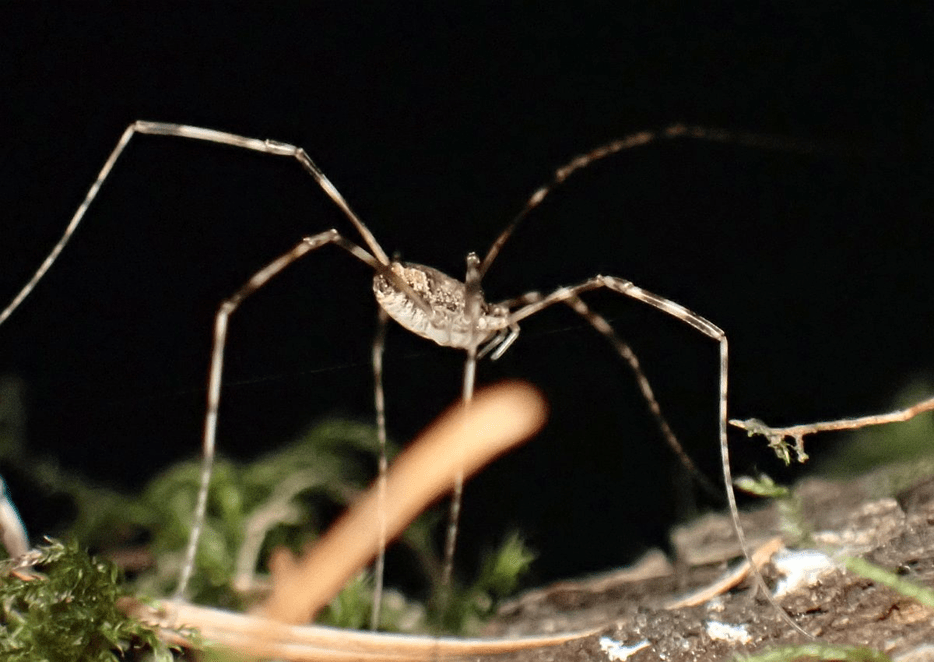
Harvestman Leptobunus parvulus (Opiliones: Phalangiidae) Ian Cooper
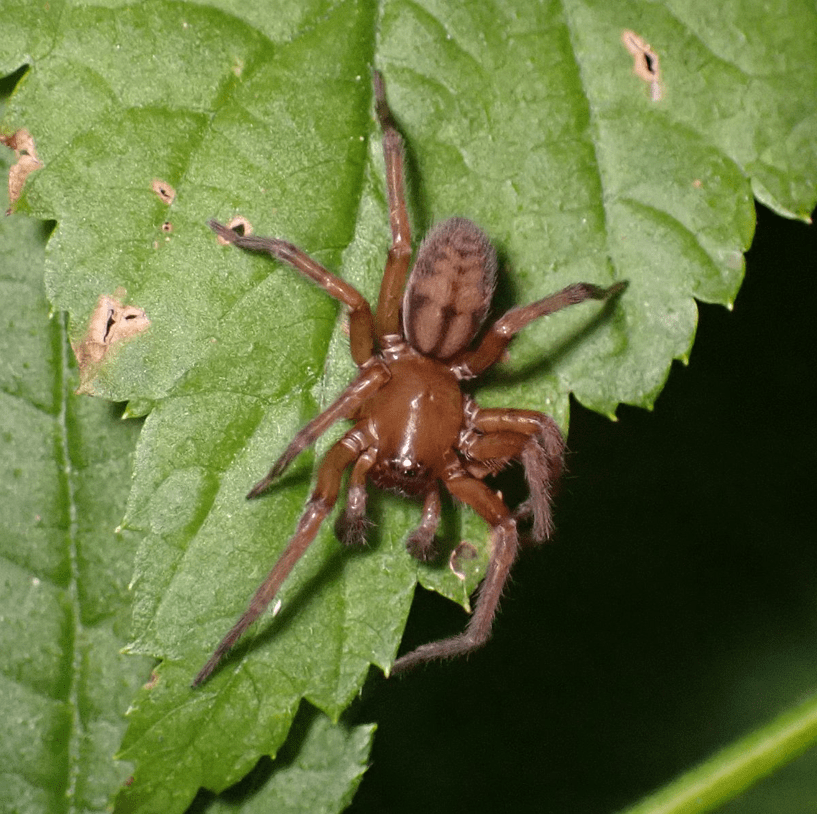
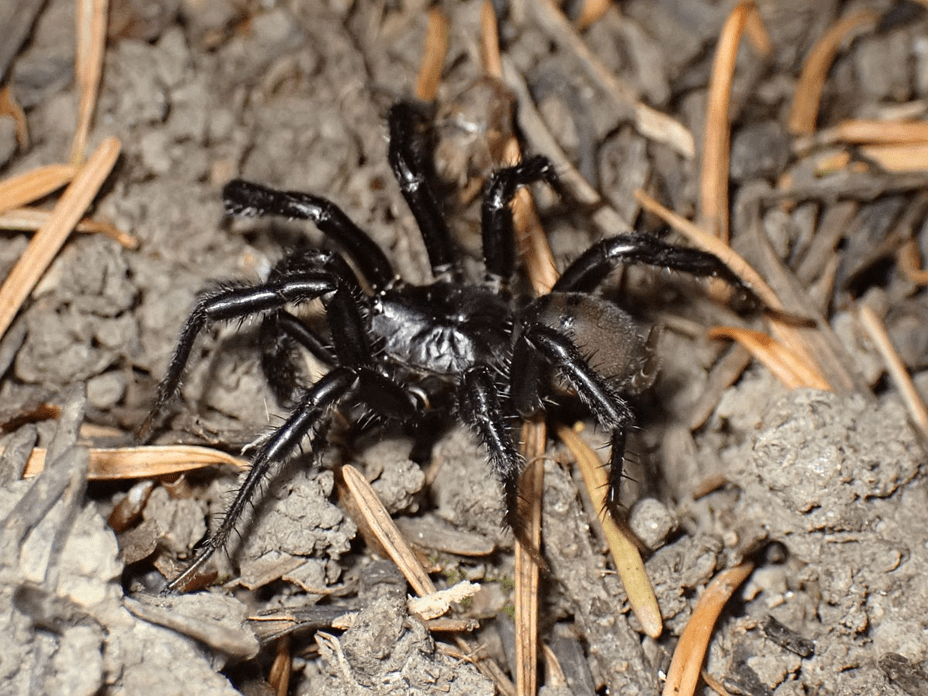
Male Folding Door Spider Antrodiaetus pacificus (Ara.-Myg.: Antrodiaetidae) Ian Cooper
Cybaeus (probably signifer ) (Ara.: Cybaeidae) Ian Cooper
Possibly Eratigena agrestis (Ara: Agelenidae) Ian Cooper
Camel Cricket Pristoceuthophilus celatus (Orth.: Rhaphidophoridae) Ian Cooper
Unidentified caterpillar (Lep.: Geometridae) Ian Cooper
Jeff Gaskin reports that there were two Common Green Darners in Uplands Park this morning, August 29.
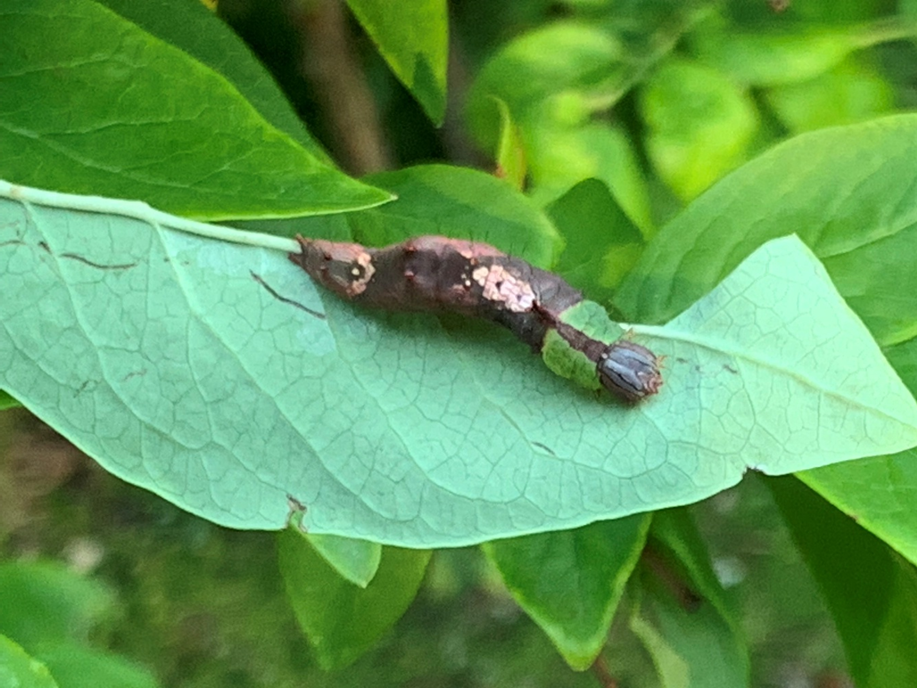
Jeremy Tatum writes: We start this evening’s posting with two rather interesting insects. The caterpillar below was found on Blueberry in Mike and Barb’s Cordova Bay garden. I am not sure at present which of two species of Schizura it is. Viewers will note the sharply demarcated areas of different colours. This is known as disruptive coloration. It makes it difficult to see the shape of the object, so it may not be noticed as a caterpillar. Viewers may have noticed that most of the large moths that are seen on this site belong to one of three large Families: Noctuidae, Erebidae, Geometridae. This belongs to a smaller and perhaps less familiar Family, Notodontidae – a Family that includes some very nice caterpillars.
Schizura unicornis /ipomoeae (Lep.: Notodontidae) Mike and Barb McGrenere
Schizura unicornis/ipomoeae (Lep.: Notodontidae) Mike and Barb McGrenere
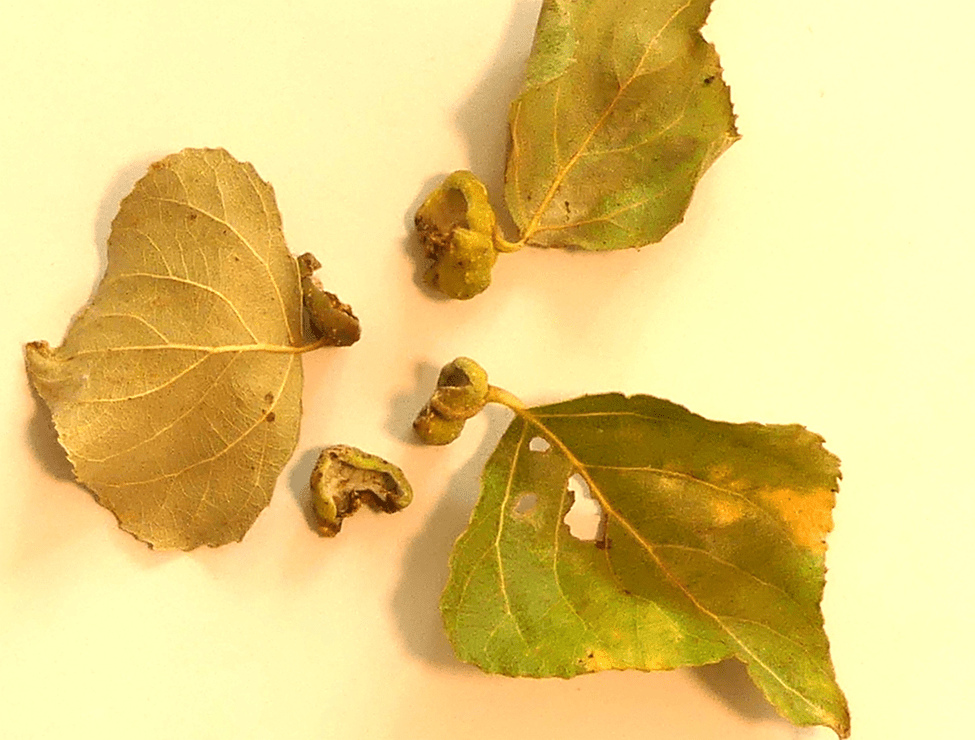
Jochen Möhr sends pictures of galls on the petioles of some poplar (cottonwood) leaves. These are formed by aphids of the species Pemphigusspirothecae.
Galls formed by Pemphigus spirothecae (Hem.: Aphididae) Jochen Möhr
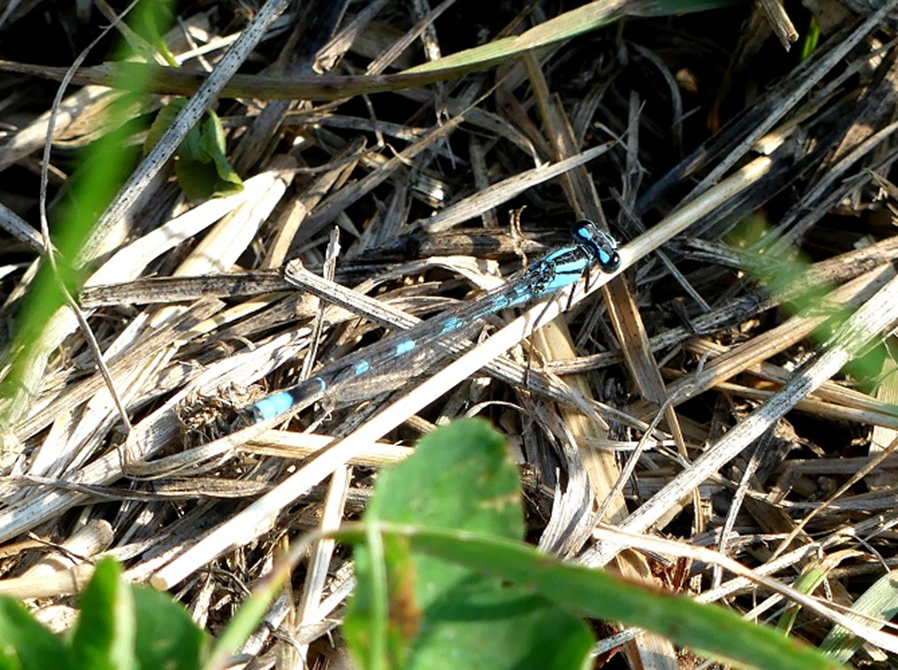
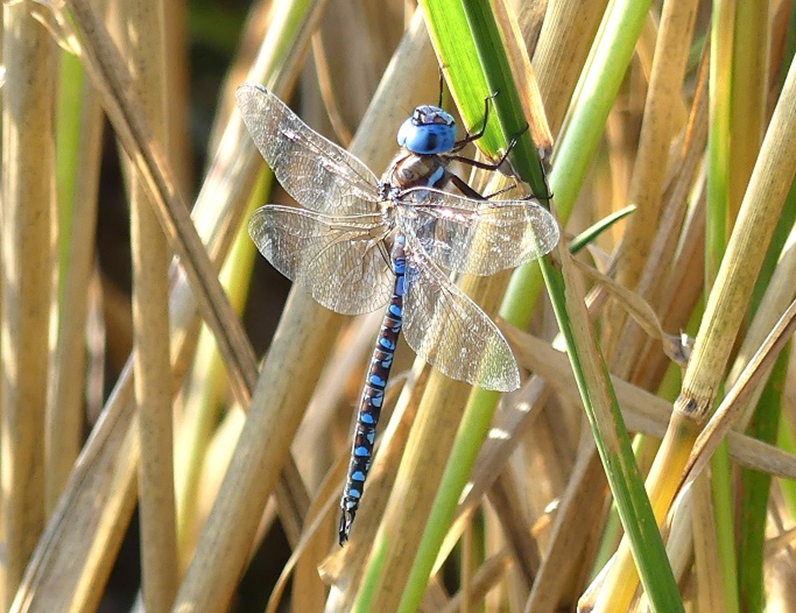
Aziza Cooper writes: Today, August 27, at McIntyre reservoir, I photographed a damselfly and a dragonfly. I didn’t see any butterflies. Also today, I saw one California Ringlet at Island View Beach, but was not able to get a picture.
Tule Bluet Enallagma carunculatum (Odo.: Coenagrionidae) Aziza Cooper
Blue-eyed Darner Rhionaeschna multicolor (Odo.: Aeshnidae) Aziza Cooper
Very busy schedule tomorrow, so there may not be a posting – but, if there is a posting, there are more photos to come.
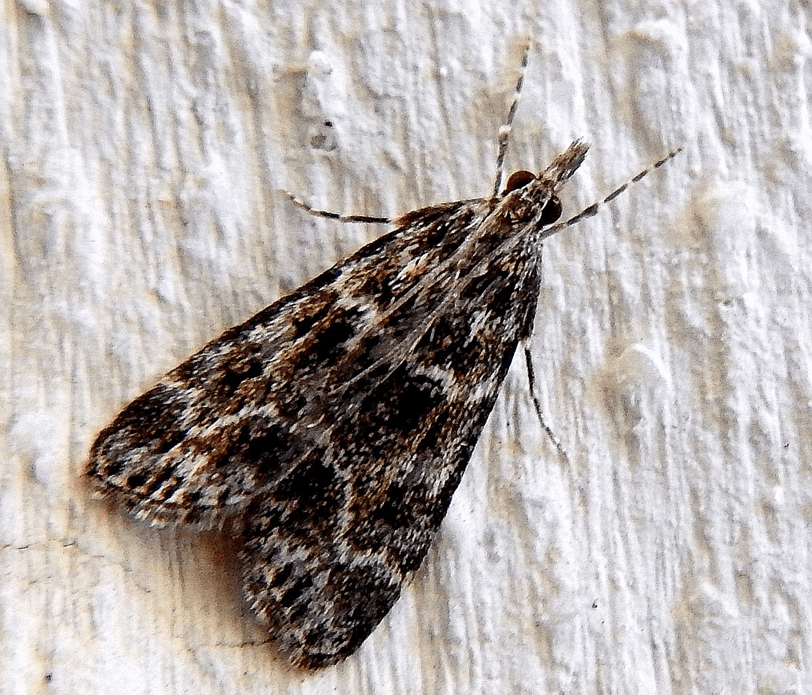
This moth was photographed by Val George at his Oak Bay home yesterday. The species has also been reported recently by Ian Cooper and Jeremy Tatum. Because it seems to have a quite distinctive appearance, identification should be straightforward, but apparently there are several similar and very variable species in the crambid Subfamily Scopariinae, and the group may be in need of some revision. In the meantime, it may be reasonable on this site to refer it to the name Eudonia echo.
Probably Eudonia echo (Lep.: Crambidae – Scopariinae) Val George
Jeremy Tatum photographed the moth below at his Saanich apartment this morning.
Noctua pronuba (Lep.: Noctuidae) Jeremy Tatum
Judy Smith reported some tiny beetles in her house on Grant Street, Victoria, yesterday. A quick look by Jeremy Tatum suggested that they are probably Stegodium paniceum (Col.: Ptinidae – Anobiinae).









 Invert Sightings