Our next Walk is on Sunday, June 1. We will meet at 1 p.m. at the summit of Mount Tolmie at the parking lot by the reservoir. After a look around for butterflies, we will decide where to go from there. Car pooling is encouraged and we will try to be back by 4 p.m. Cancellations or special instructions will be posted on this site, or on the VNHS calendar: https://www.vicnhs.bc.ca/?page_id=1518
Here’s a nice tortricid moth photographed by Ian Cooper by the E&N trail on May 28, and identified by Ian as Celypha cespitana . This is a species that occurs in Europe and North America – although there remains a question as to whether the European and North American moths are the same or separate species.
Celypha cespitana (Lep.: Tortricidae – Olethreutinae) Ian Cooper
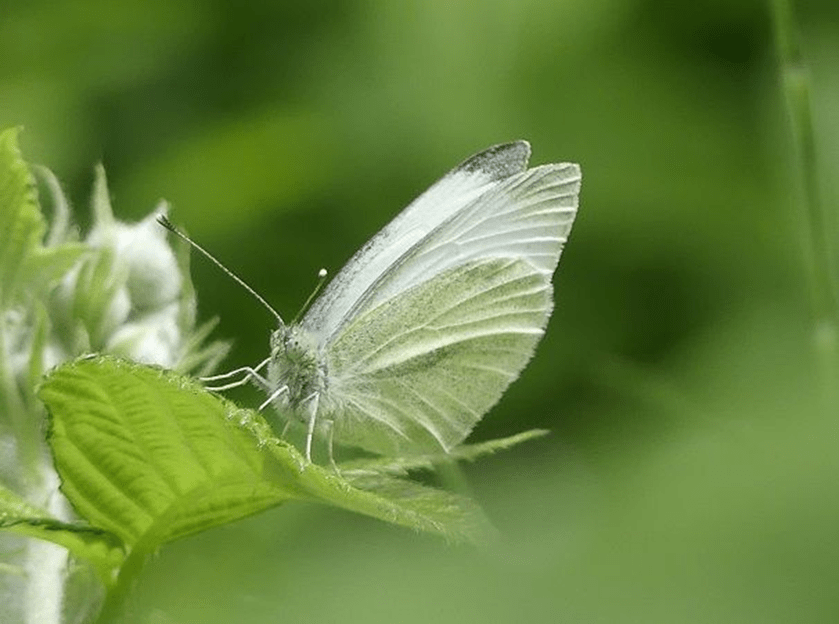
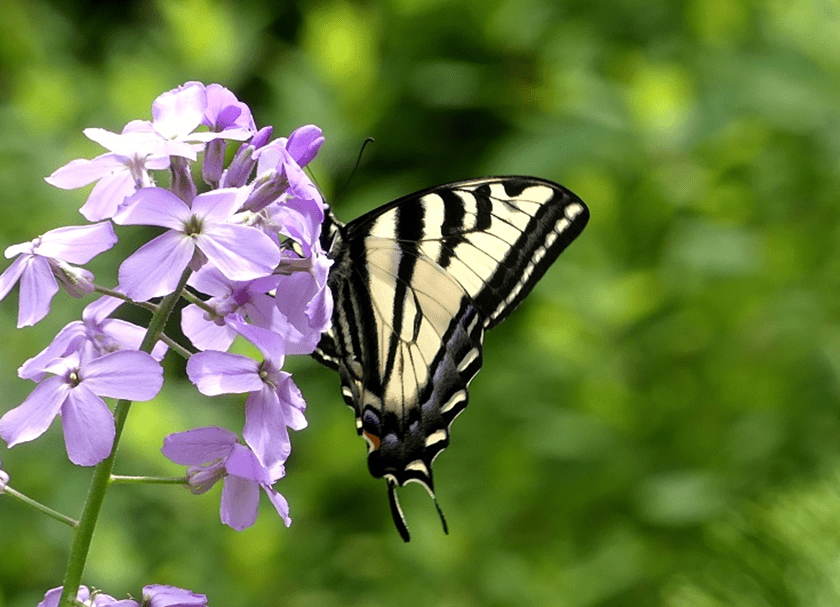
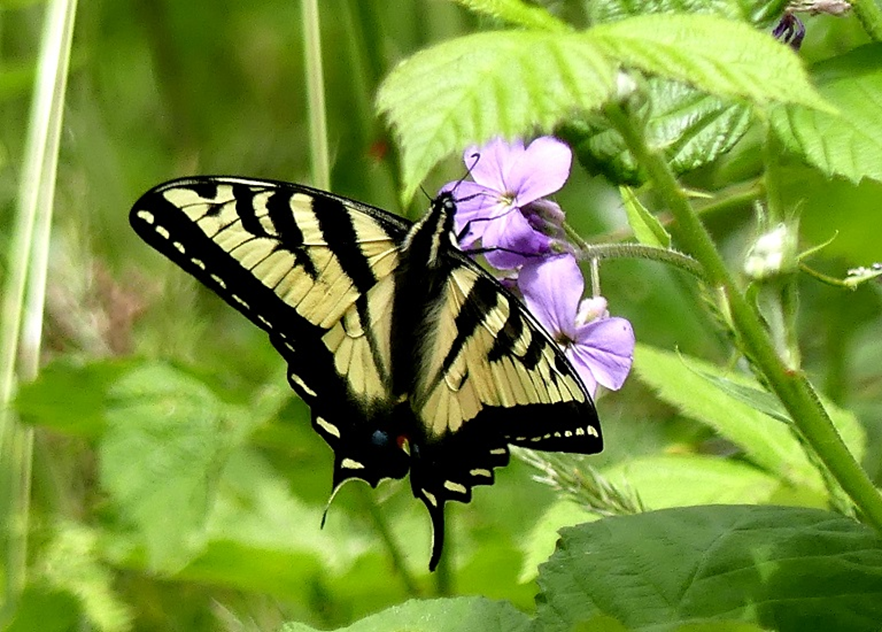
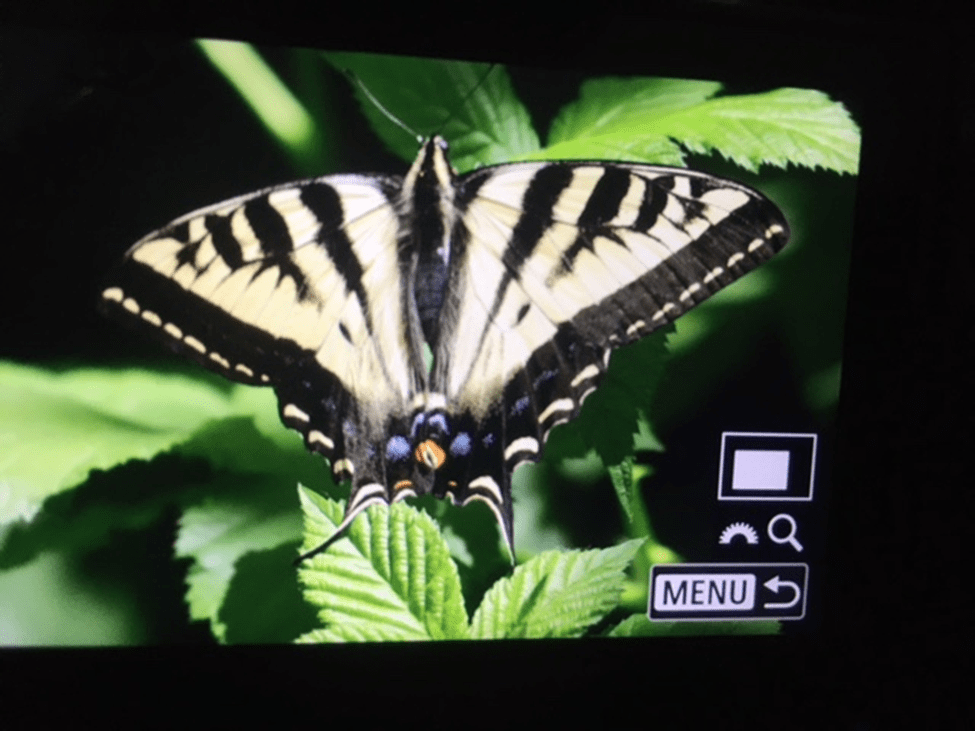
Today May 30, at Cowichan Station, Aziza Cooper saw a few whites, blues and tiger swallowtails, not all seen close enough to identify with certainty. A photograph of a white proved to be a Cabbage White, and a swallowtail was a Western Tiger Swallowtail
Today at the corner of Koksilah Road and the highway, there were two courting blues, and a photograph of one proved to be a Silvery Blue.
Cabbage White Pieris rapae (Lep.: Pieridae) Aziza Cooper
Western Tiger Swallowtail, lateral view, Pterourus rutulus (Lep.: Papilionidae) Aziza Cooper
Western Tiger Swallowtail, dorsal view Pterourus rutulus (Lep.: Papilionidae) Aziza Cooper
Silvery Blue Glaucopsyche lygdamus (Lep.: Lycaenidae) Aziza Cooper
Janet Renouf sends a photograph of a Virginia Tiger Moth. The markings on the abdomen show why it is called a tiger moth.
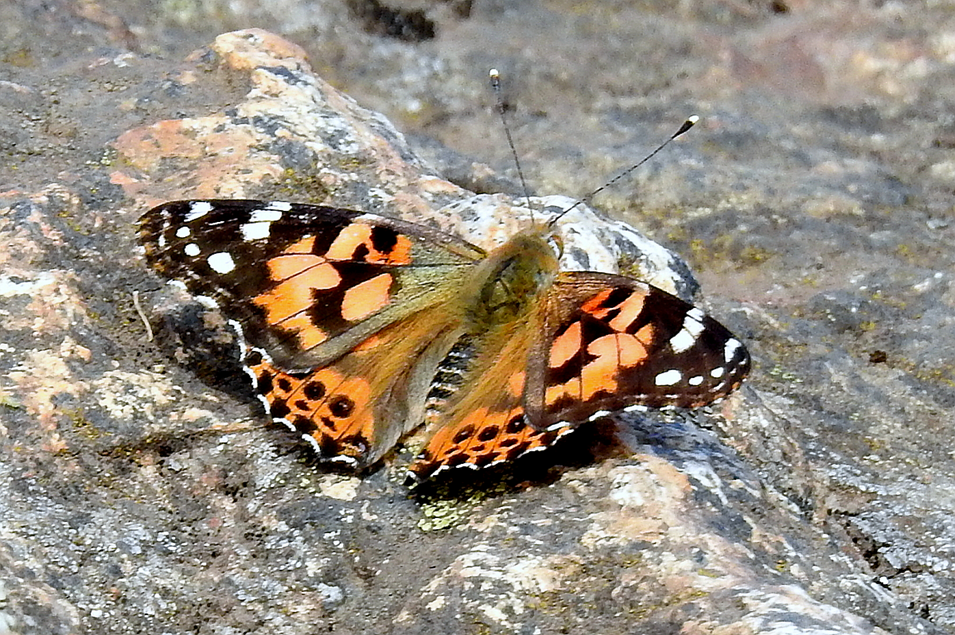
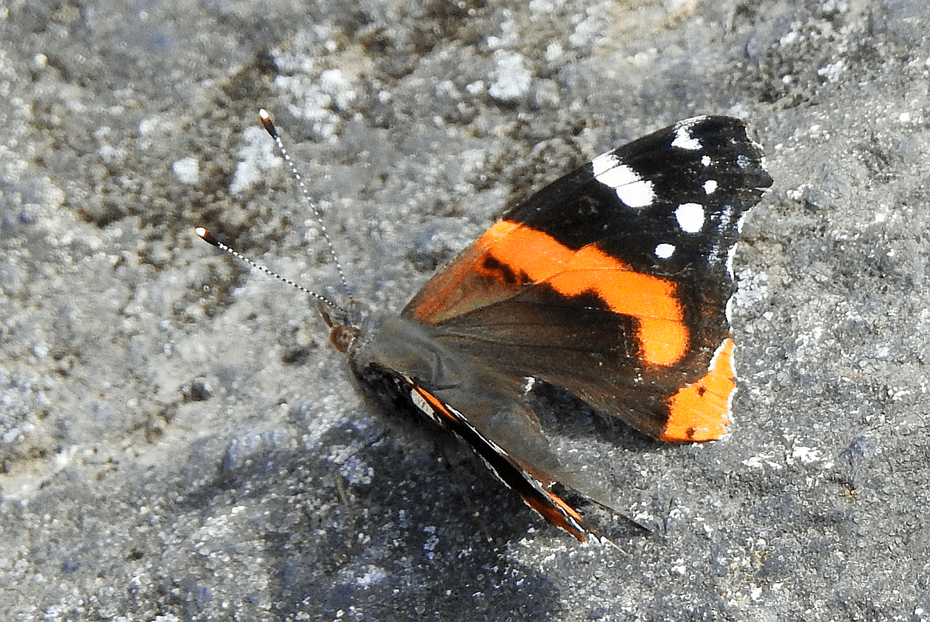
Val George writes : This afternoon, May 30, on Mount Douglas there were the following butterflies: 5 Painted Ladies, 4 Red Admirals, 2 Pale Tiger Swallowtails, one Western Tiger Swallowtail and one Anise Swallowtail. He sends the following two photographs:
Painted Lady Vanessa cardui (Lep.: Nymphalidae) Val George
Red Admiral Vanessa atalanta (Lep.: Nymphalidae) Val George
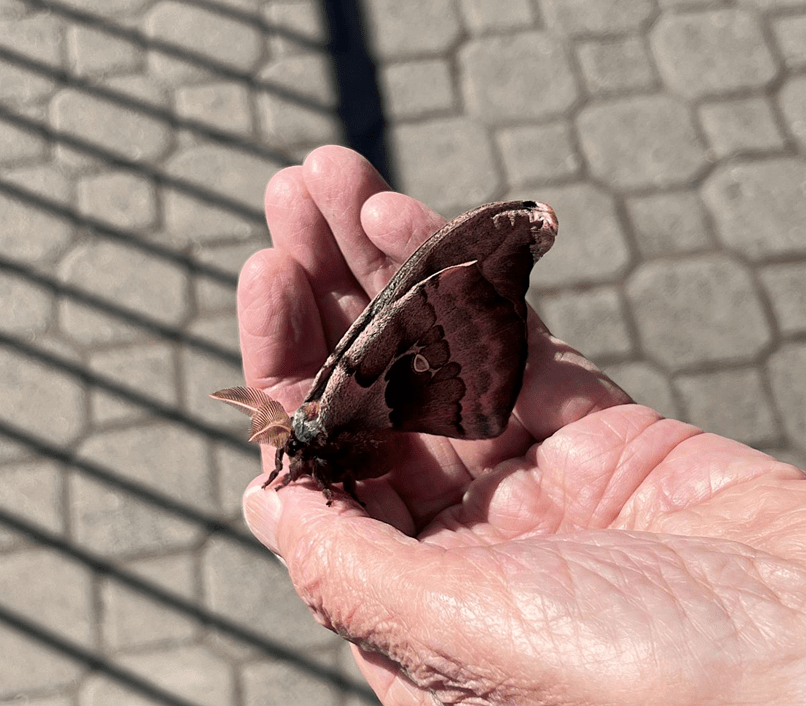
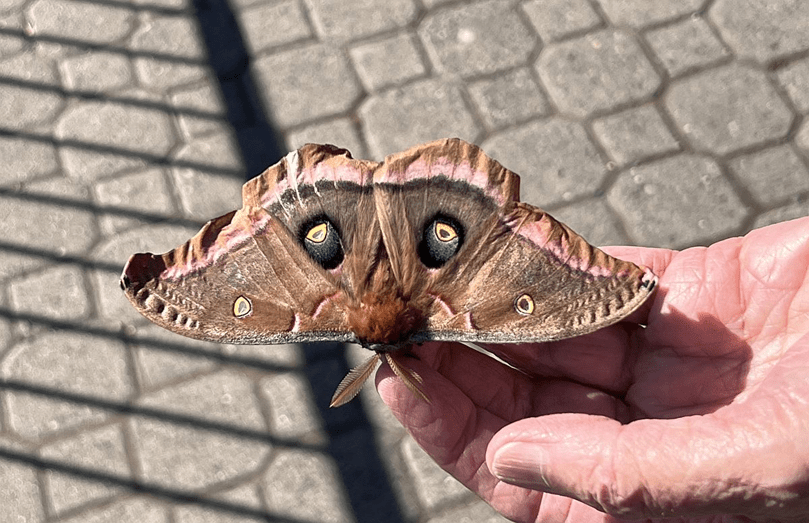
Jeremy Tatum writes:The Polyphemus Moth shown below emerged from the cocoon found last year by Ann Tiplady and shown on 2024 November 22 (page 7) of Invert Alert. It is a male (large bipectinate antennae) and it was too active for me to photograph at home. However, just before I released it on Mount Douglas yesterday, I was fortunate to meet Nora Vincent-Braun, who photographed this gigantic moth sitting on my hand. (The moth was, not Nora.)
Male Polyphemus Moth Antheraea polyphemus (Lep.: Saturniidae) Nora Vincent-Braun
Male Polyphemus Moth Antheraea polyphemus (Lep.: Saturniidae) Nora Vincent-Braun
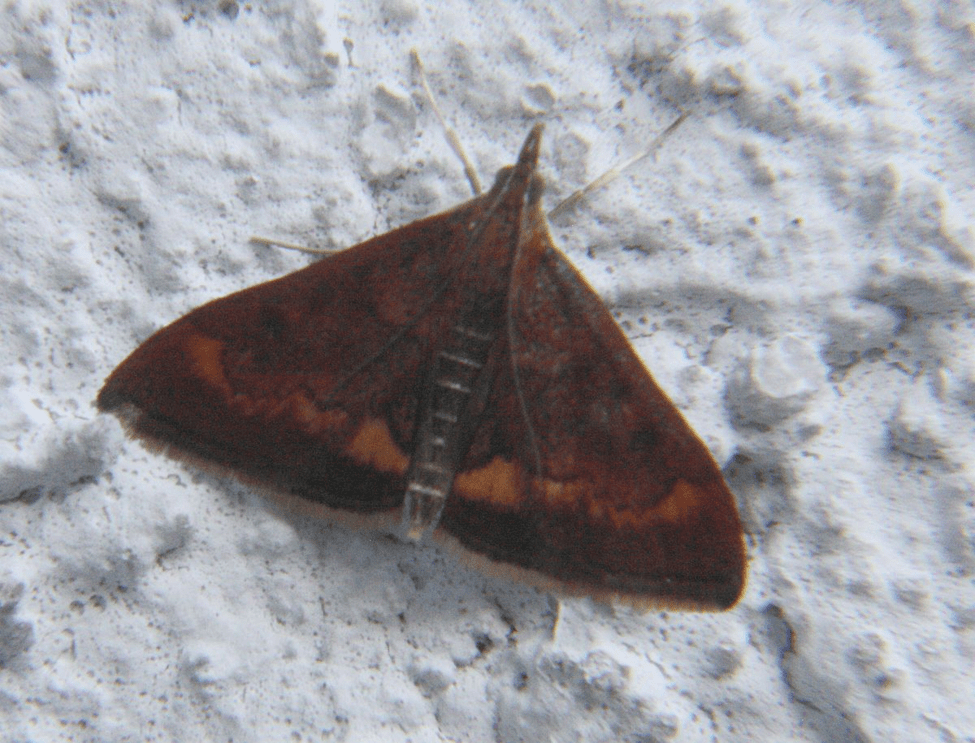
The much smaller moth (about the size of the eyespots on the hindwings of the Polyphemus) shown below was on the wall of my Saanich apartment this morning:
Pyrausta californicalis (Lep.: Crambidae) Jeremy Tatum
Shown below is a Virginia Tiger Moth, which emerged today from a cocoon formed last year by a Yellow Woolly Bear caterpillar.
Spilosoma virginica (Lep.: Erebidae – Arctiinae) Jeremy Tatum
Marie O’Shaughnessy sends a photograph of her first swallowtail of the year, at Outerbridge Park yesterday. Also there, she reports six Cabbage Whites, two Western Spring Azures, six Cardinal Meadowhawks, two California Darners and four Four-spotted Skimmers.
Western Tiger Swallowtail Pterourus rutulus (Lep.: Papilionidae) Marie O’Shaughnessy
InvertAlert – Reminder Although no further pictures are now being added to InvertAlert, the predecessor of InvertSightings, you can still access InvertAlert by typing https://www.vicnhs.bc.ca/?cat=8 InvertAlert goes back to 2010. If you click on the words INVERTEBRATE ALERT at the very top of the site, you can find some instructions on how to navigate through the site (e.g. how to find an old entry).
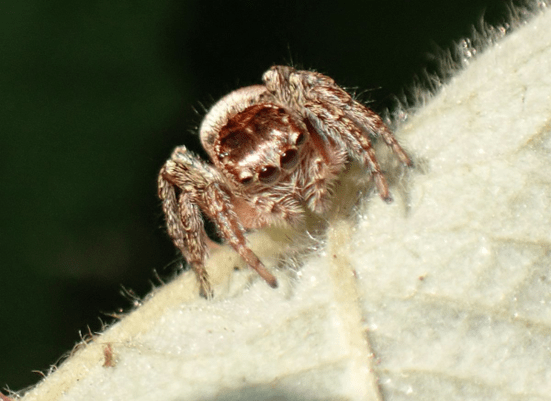
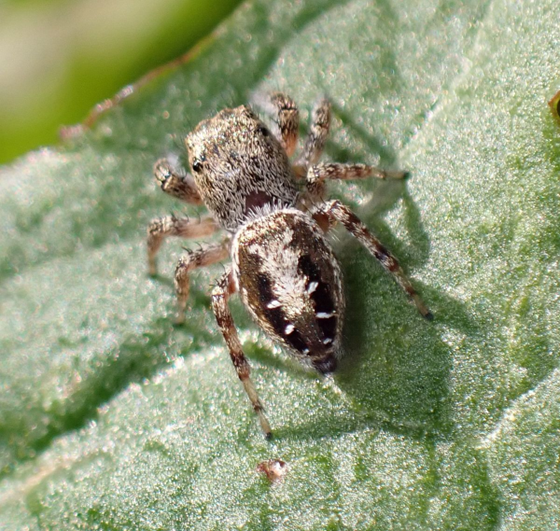
Here are two jumping spiders photographed by Ian Cooper on May 24. Thanks to Thomas Barbin for confirming Ian’s identifications. Thomas writes that the first is probably proszynskii, though the angle makes it a bit tricky for him to be sure.
Evarcha (probably proszynskii) (Ara.: Salticidae) Ian Cooper
Pelegrina aeneola (Ara.: Salticidae) Ian Cooper
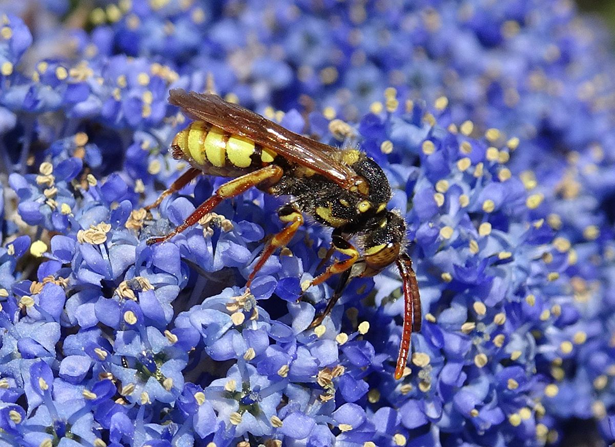
Yesterday, May 25, Ian photographed a Nomad Bee (below) – a “lifer” for Ian.
Nomad Bee Nomada sp. (Hym.: Apidae) Ian Cooper
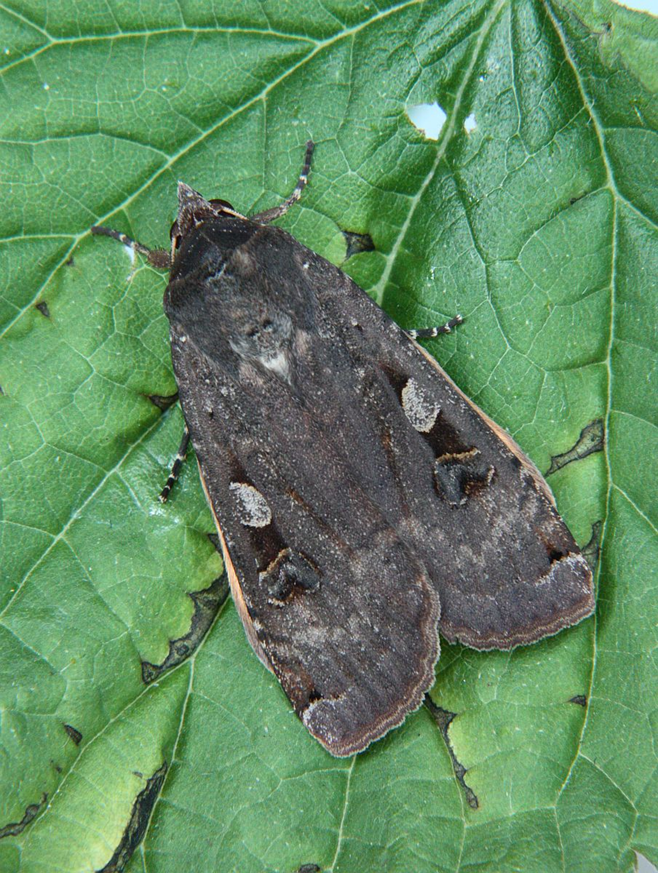
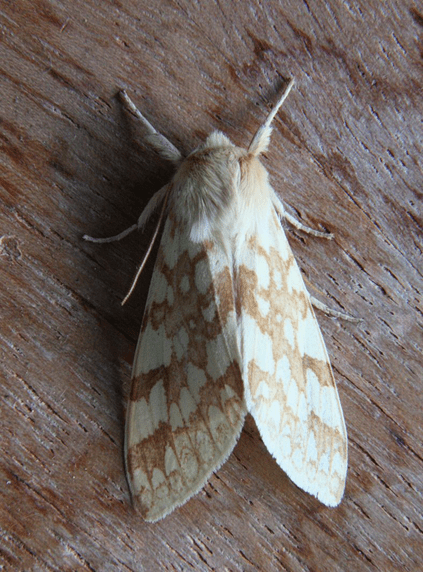
Jeremy Tatum writes: This moth turned up at my Saanich apartment this morning:
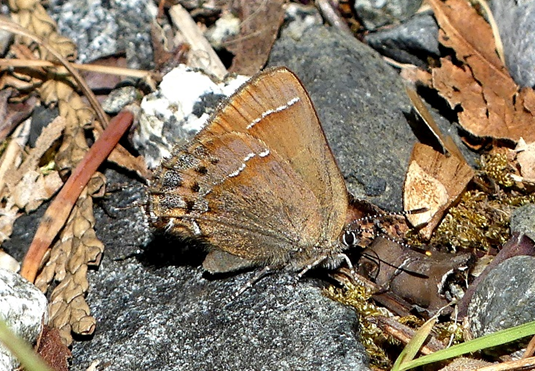
Aziza Cooper writes: Today, May 24 at the trails near Olympic Drive, there was a Western PineElfin and 15 Western Spring Azures. I also got a record photo of a Cedar Hairstreak.
At Wrigglesworth Lake there was a Two-banded Grizzled (“Checkered”) Skipper, a GreenComma, one more Western Pine Elfin and three Western Spring Azures.
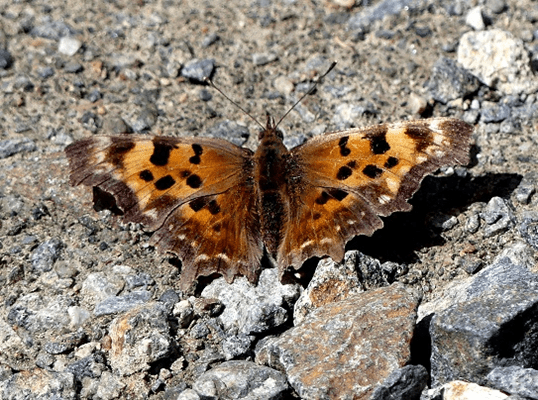
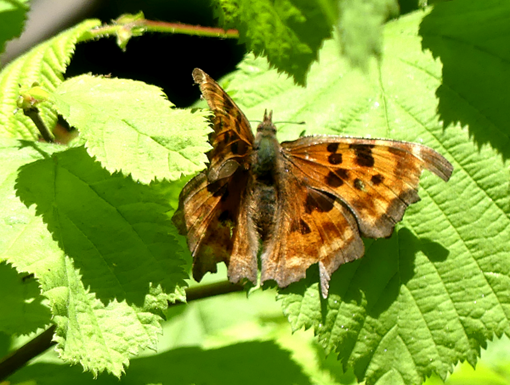
Green Comma Polygonia faunus (Lep.: Nymphalidae) Aziza Cooper Dorsal view
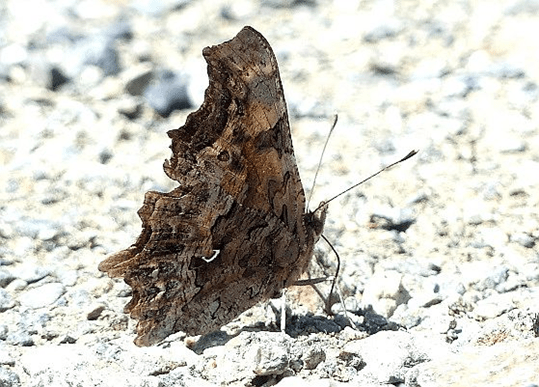
Green Comma Polygonia faunus (Lep.: Nymphalidae) Aziza Cooper Lateral view
Cedar Hairstreak Callophrys (Mitourus) gryneus (Lep.: Lycaenidae) Aziza Cooper
Western Pine Elfin Callophrys (Incisalia) eryphon (Lep.: Lycaenidae) Aziza Cooper
Two-banded Skipper Pyrgus ruralis (Lep.: Hesperiidae) Aziza Cooper
Marie O’Shaughnessy writes: I had an interesting time at Beaver Lake this afternoon. The wind sure was an issue, but we found the following dragonflies: 1 Dot-tailed Whiteface, 3 California Darners, 1 Four-spotted Skimmer, 1 Cardinal Meadowhawk and 1 Spiny Baskettail.
Jeremy Tatum writes: Followers of this site and its predecssor, InvertAlert, may be forgiven for thinking that there are only two Families of dragonflies – Aeshnidae and Libellulidae. That is far from the case, but it is true that most of the dragonfly photographs that have been on these sites have belonged to one or the other of these two Families. It is therefore nice to see another Family represented – Corduliidae, to which the Spiny Baskettail belongs.
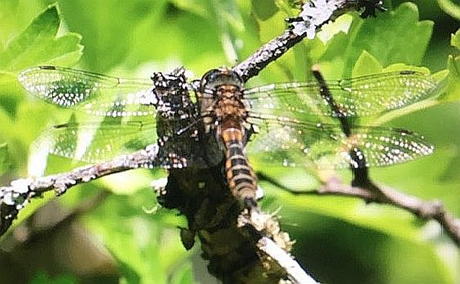
Spiny Baskettail Epitheca spinigera (Odo.: Corduliidae) Marie O’Shaughnessy
If you have ever wondered why the Dot-tailed is called a “Whiteface”, here is Marie’s answer:
Dot-tailed Whiteface Leucorrhinia intacta (Odo.: Libellulidae) Marie O’Shaughnessy
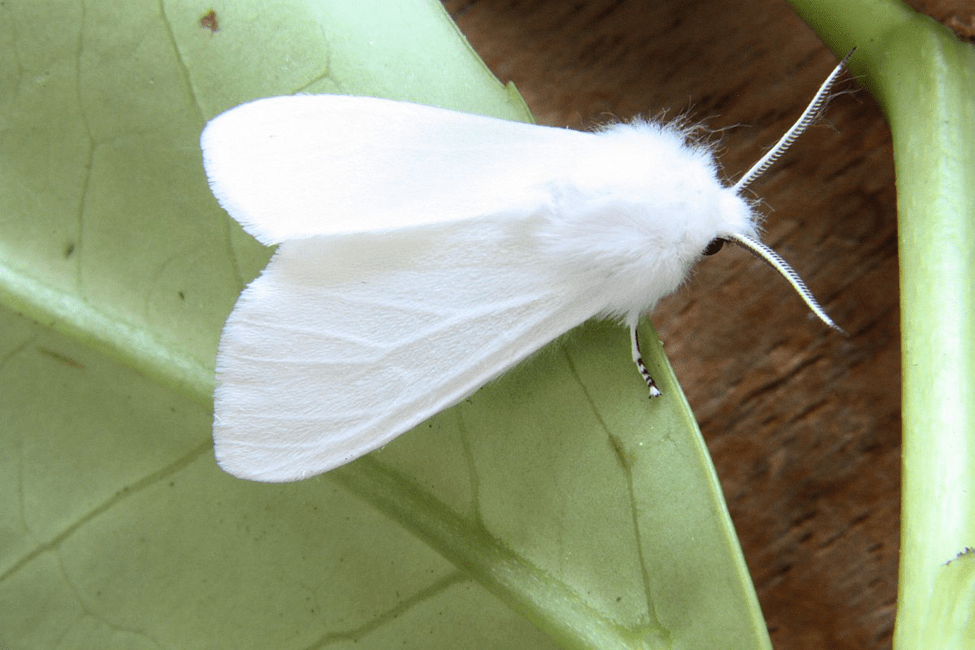
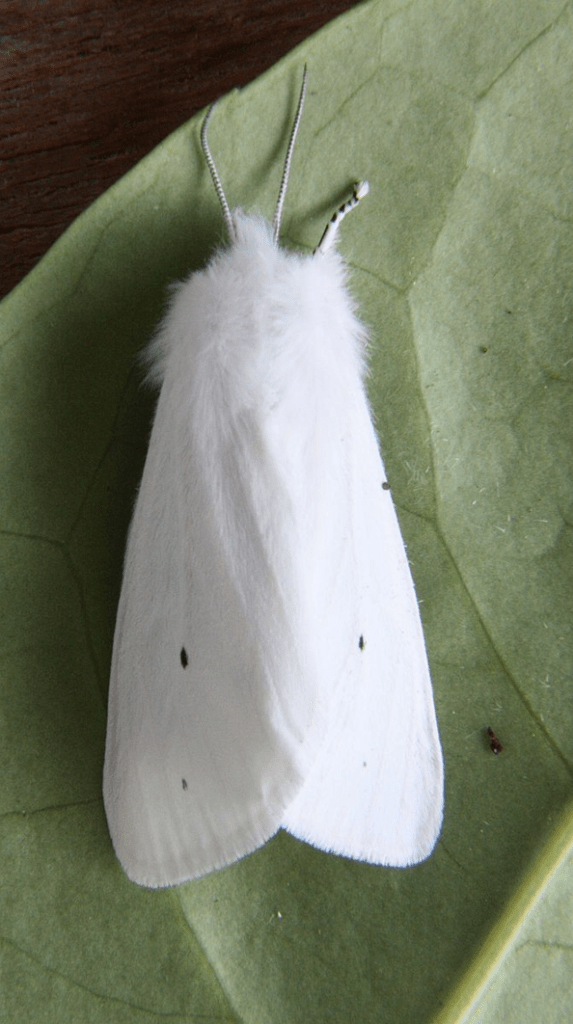
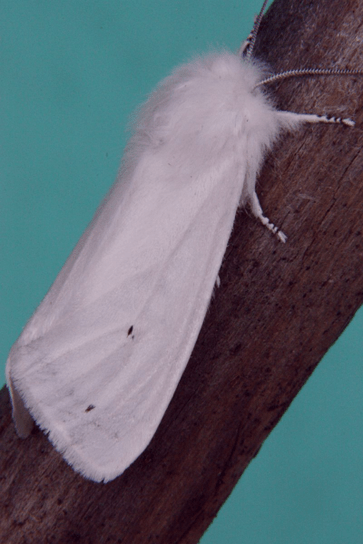
Jeremy Tatum shows a Virginia Tiger (also known as Virginia Ermine) Moth that emerged today and was released near Blenkinsop Lake. This is the adult moth that comes from from the Yellow Woolly Bear caterpillar.
Spilosoma virginica (Lep.: Erebidae – Arctiinae) Jeremy Tatum
Gordon Hart writes: Today (May 22) I saw a Brown Elfin here (Highlands); a Green Comma is still around, along with a Pale Tiger Swallowtail and some blues and Cabbage Whites.
Jeremy Tatum writes: Today I saw my first Western Tiger Swallowtail of the year, at Swan Lake.
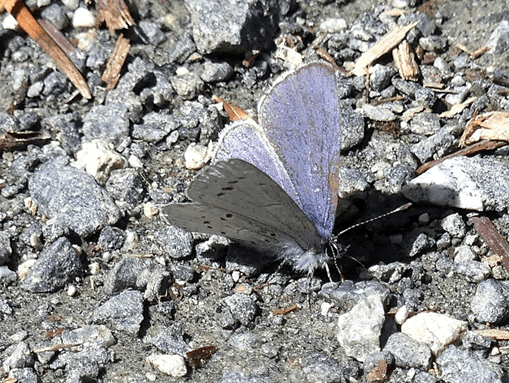
Aziza Cooper writes: Today, May 22 at the railroad tracks near Goldstream campground, there was one Cedar Hairstreak, one Satyr Comma and about 12 Western Spring Azures.
Satyr Comma Polygonia satyrus (Lep.: Nymphalidae) Aziza Cooper
Cedar Hairstreak Callophrys (Mitoura) gryneus (Lep.: Lycaenidae) Aziza Cooper
(The name Mitoura placed in parentheses after the genus name Callophrys indicates a subgenus within the genus Callophrys.)
Western Spring Azure Celastrina echo (Lep.: Lycaenidae) Aziza Cooper













 Invert Sightings