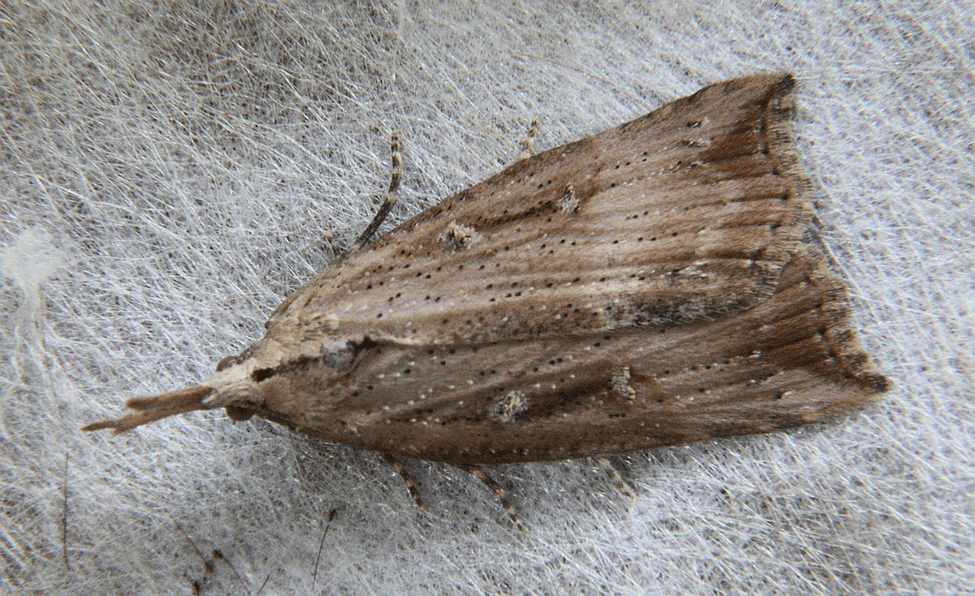
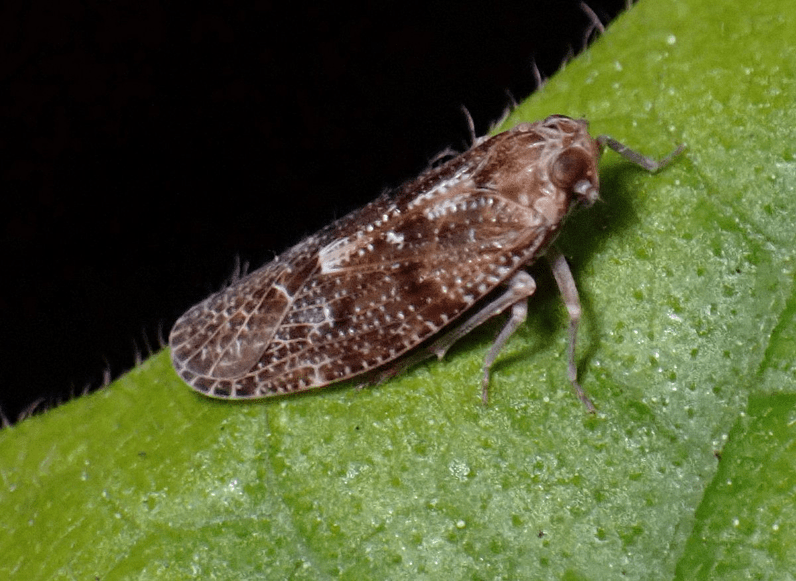
Val George writes: This Udea profundalis moth was on the wall of my Oak Bay house this morning, June 3.
Udea profundalis (Lep.: Crambidae) Val George
Jeremy Tatum wonders why nettle leaves evolved by creating so many irritating stings over its leaves and stalks. Presumably it has an advantage by discouraging animals from eating them. If that is the case, why is it that there are so many butterfly and moth caterpillars that feed almost exclusively on nettles? The caterpillars of the Satyr Comma and the Red Admiral feed on nettles. So does the caterpillar of Udea profundalis, as well as the caterpillars of two small moths shown recently on this site – Hypena californica (June 2) and Olethreutes sp. (May 12).
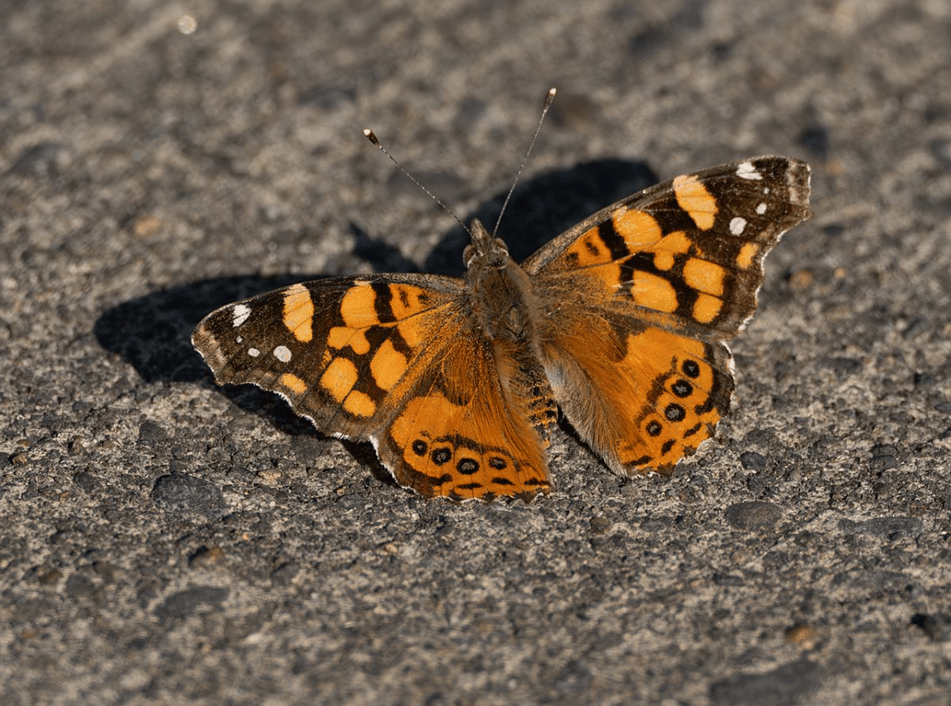
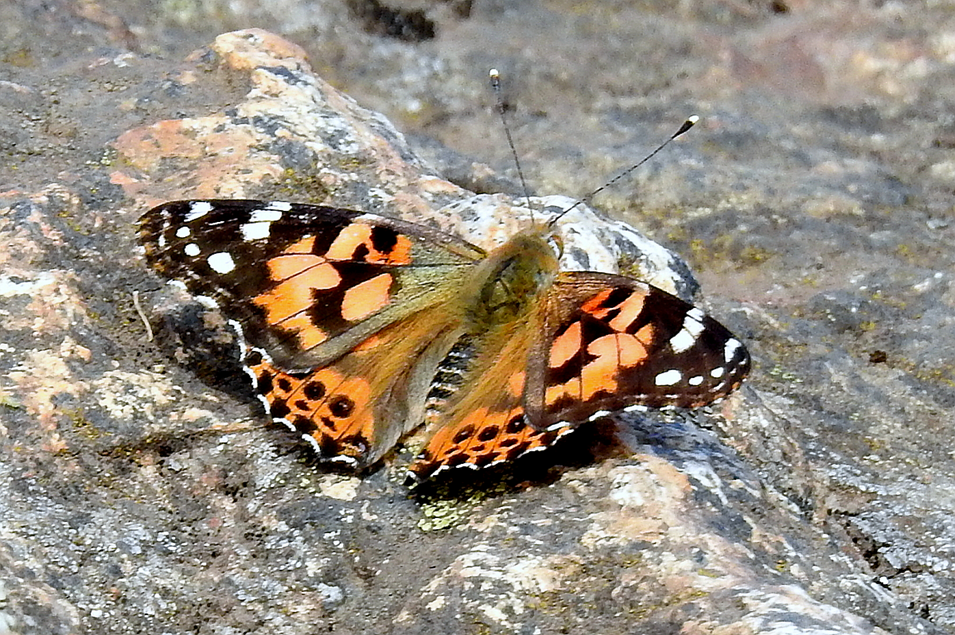
Gordon Hart sends a photograph of a West Coast Lady on Mount Tolmie yesterday, June 2. It is of interest to compare this one with Aziza Cooper’s photograph of one on Mount Douglas on June 1 (see Invert Sightings post on June 2 morning). Question: What is the colour of the large pale patch in the apical region of the West Coast Lady? These two photographs show that it can be either white (as in Aziza’s photograph) or orange (as in Gordon’s).
West Coast Lady Vanessa annabella (Lep.: Nymphalidae) Gordon Hart
Most of the exciting butterflies during yesterday’s Butterfly Walk were seen at the tops of Mounts Douglas and Tolmie. Very few butterflies were seen at Rithet’s Bog. However, Wendy Ansell reports a Lorquin’s Admiral from Rithet’s Bog today.
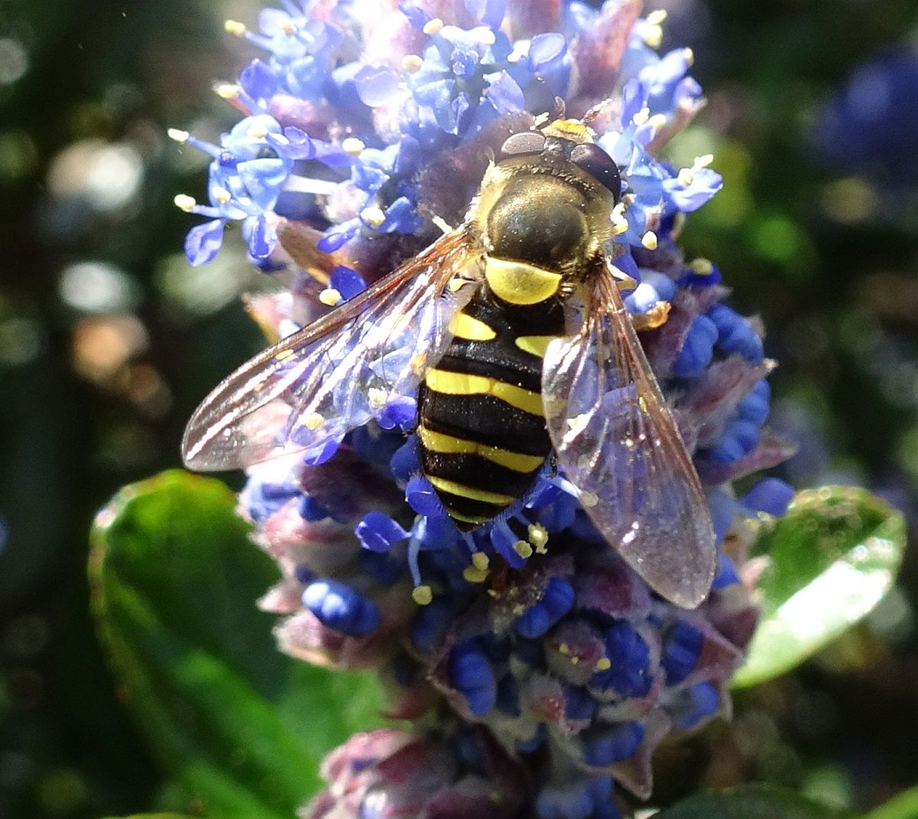
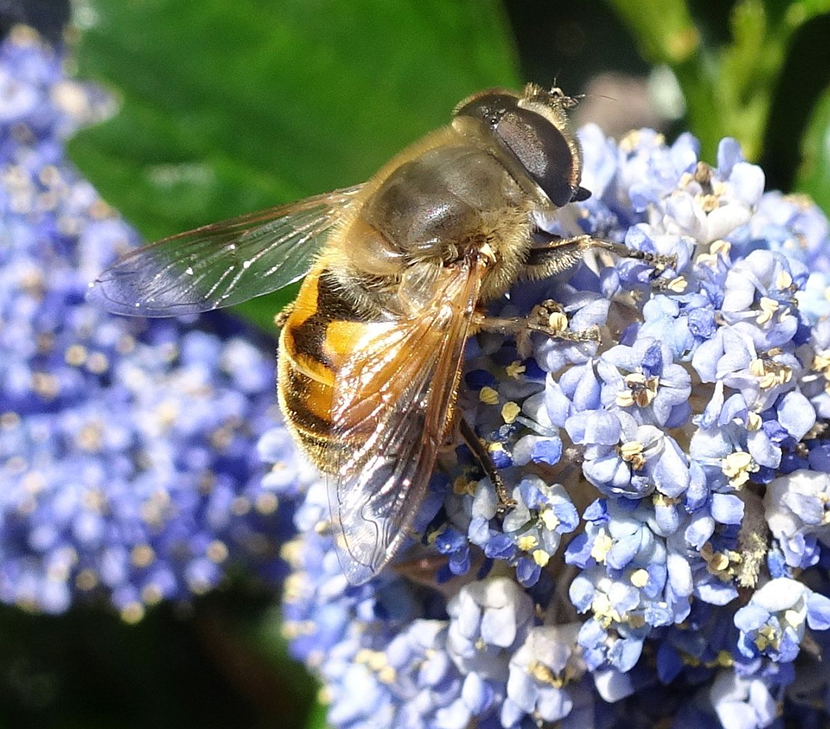
Ian Cooper photographed the following flies and bee on California Lilac (Ceanothus) growing by Academy Close, a footpath behind St. Anne’s Academy, on June 01 2025.
Flower Fly Eupeodes fumipennis (Dip.: Syrphidae) Ian Cooper
Drone Fly Eristalis tenax (Dip.: Syrphidae) Ian Cooper
Flower Fly Myathropa florea (Dip.: Syrphidae) Ian Cooper
Yellow-faced bumblebee Bombus vosnesenskii (Hym.: Apidae) Ian Cooper
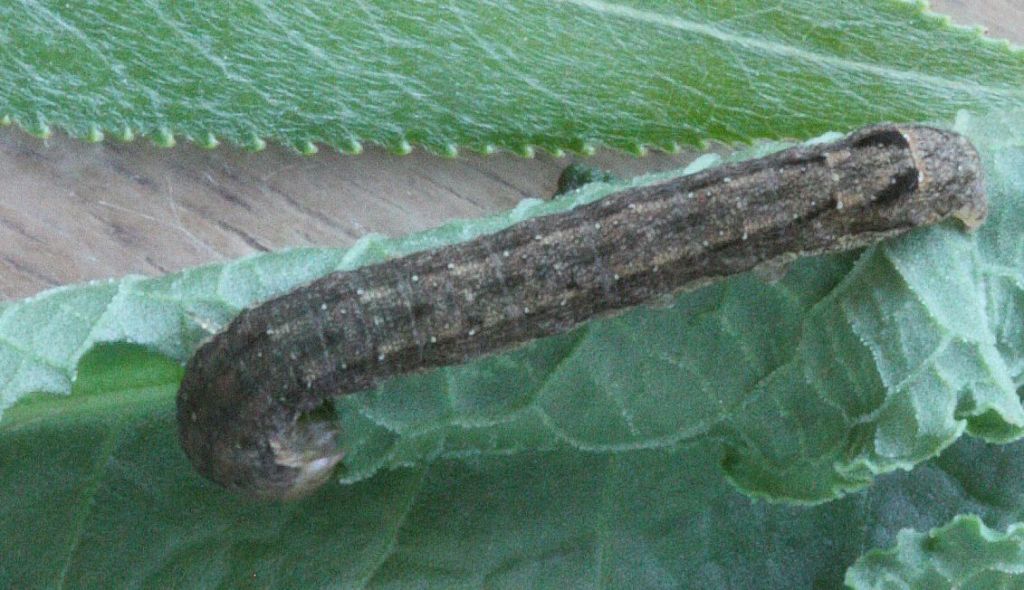
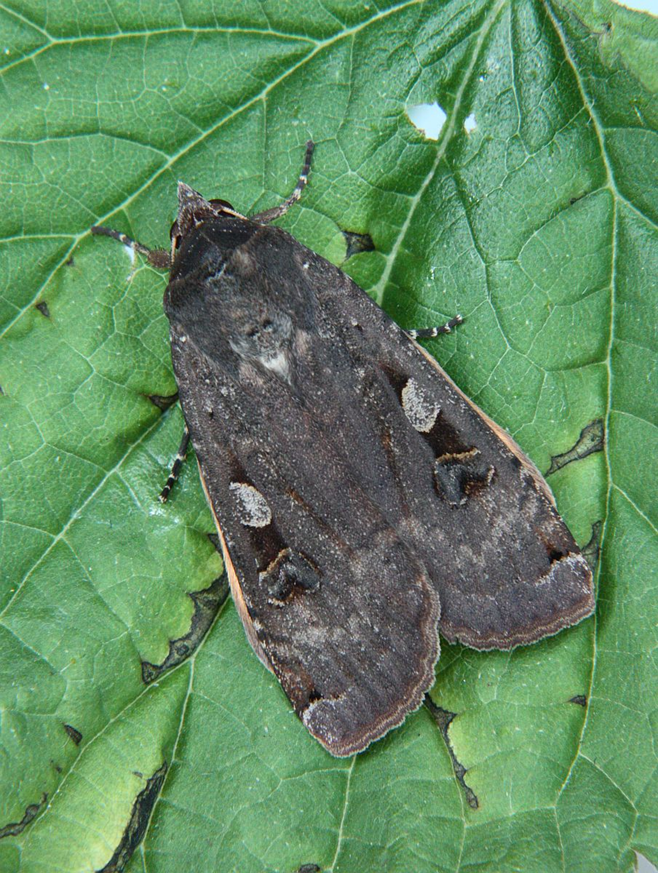
Jeremy Tatum writes: I believe the caterpillar below is a Lesser Yellow Underwing Moth Noctua comes, but I shan’t be sure until the adult moth emerges.
Probably Noctua comes (Lep.: Noctuidae – Noctuinae) Jeremy Tatum
After yesterday’s Monthly Butterfly Walk, Aziza Cooper went to Mount Douglas, where she saw two Red Admirals, one Painted Lady, one Anise Swallowtail, and one West Coast Lady. Here are some of the photographs that she took there.
Anise Swallowtail Papilio zelicaon (Lep.: Papilionidae) Aziza Cooper
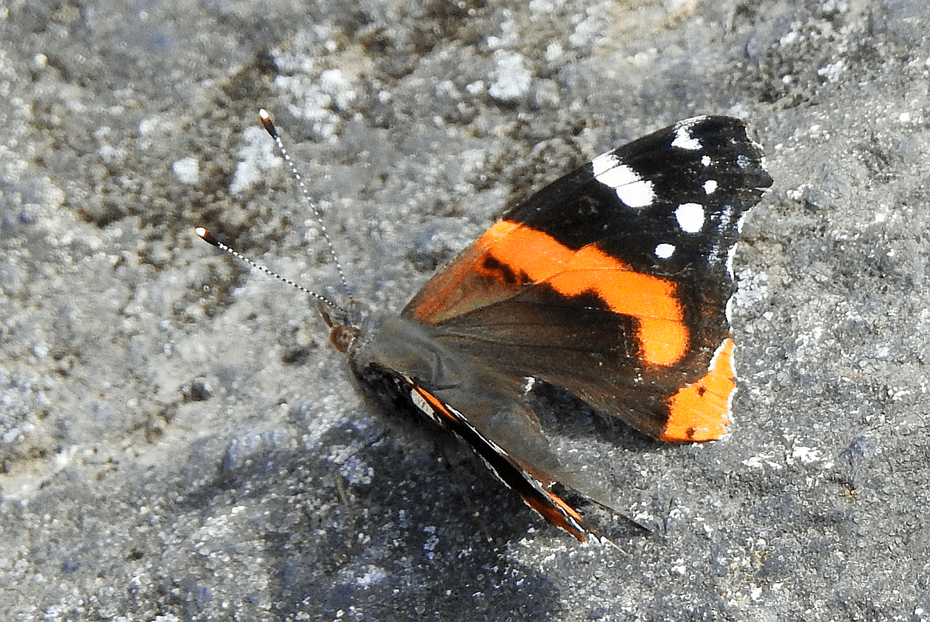
Red Admiral Vanessa atalanta (Lep.: Nymphalidae) Aziza Cooper
West Coast Lady Vanessa annabella (Lep.: Nymphalidae) Aziza Cooper
We have three Lady butterflies that visit our area – Painted Lady, West Coast Lady, American Lady. It is often thought that the largest of the pale patches in the apical area is white in the Painted and American Ladies, and orange in the West Coast Lady. The colour of this patch alone is not sufficient to distinguish reliably between the species. In Aziza’s Lady shown above, the patch is white – although this butterfly is unquestionably a West Coast Lady
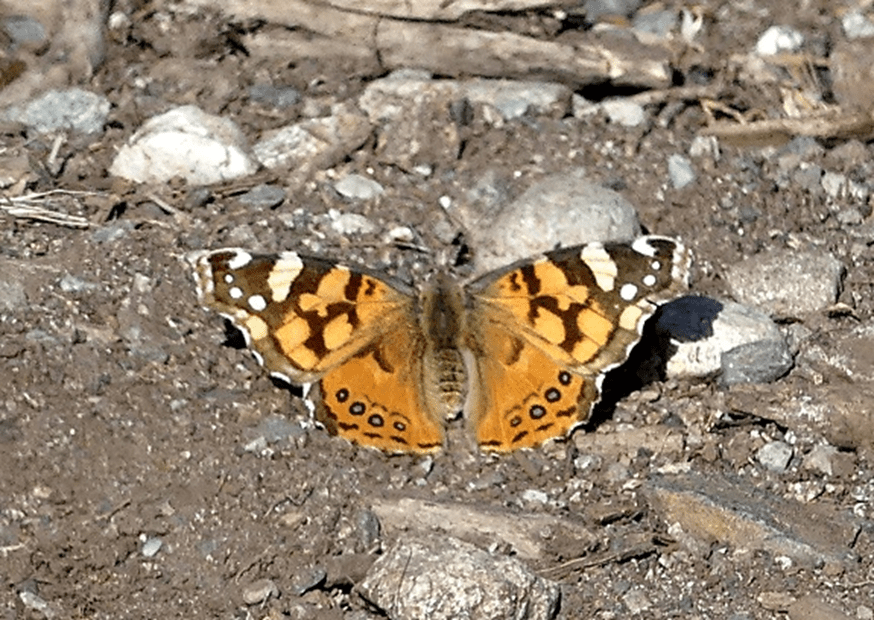
After yesterday’s Monthly Butterfly Walk, Gordon and Anne-Marie Hart went to Mount Tolmie, where they saw a Red Admiral, a Pale Tiger Swallowtail and three Painted Ladies. Marie O’Shaughnessy also noted a Western Tiger Swallowtail there. Here are some of the photographs that they took there and at Rithet’s Bog. We start with a Painted Lady, so that viewers may compare it with Aziza’s West Coast Lady above.
Painted Lady Vanessa cardui (Lep.: Nymphalidae) Gordon Hart
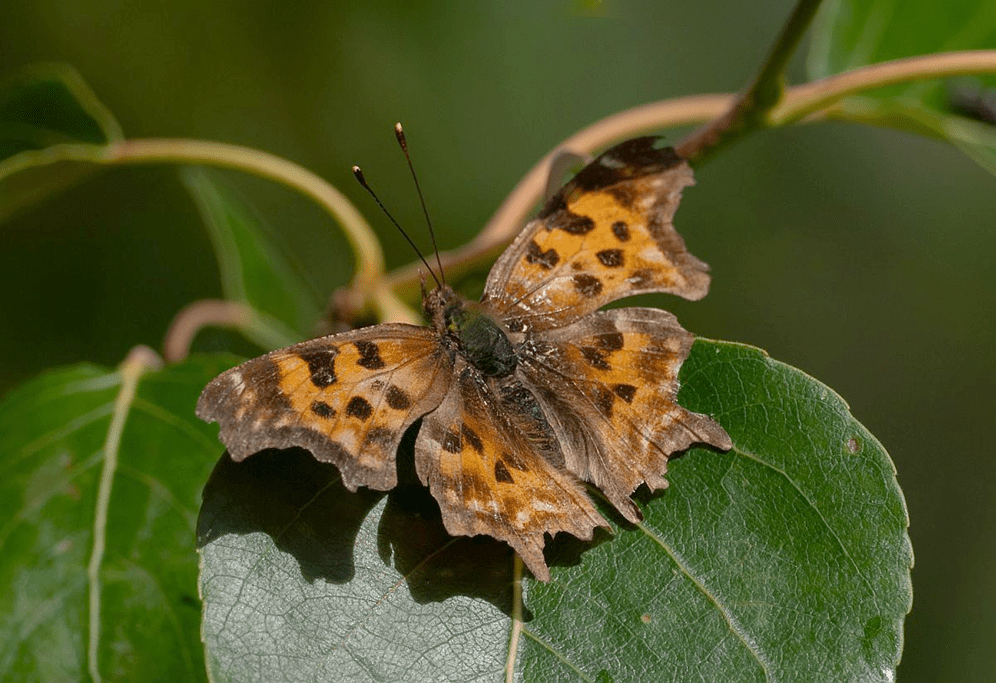
Satyr Comma Polygonia satyrus (Lep.: Nymphalidae) Gordon Hart
Red Admiral Vanessa atalanta (Lep.: Nymphalidae) Gordon Hart
Lorquin’s Admiral Limenitis lorquini (Lep.: Nymphalidae) Gordon Hart
Pale Tiger Swallowtail Pterourus eurymedon (Lep.: Papilionidae) Gordon Hart
Gordon also took the opportunity of photographing a spider at Rithet’s Bog, kindly identified for us by Ian Cooper:
Slender Crab Spider Tibellus oblongus (Ara.: Philodromidae) Gordon Hart
More photographs from the Butterfly Walk will be welcome. In the meantime, Jeremy Tatum sends a photograph of the moth below, reared from a caterpillar on Stinging Nettle near Blenkinsop Lake. Moths of the genus Hypena are often called “snout” moths, because of their long labial palpi.
Hypena californica (Lep.: Erebidae -Hypeninae) Jeremy Tatum
Marie O’Shaughnessy visited Outerbridge Park on May 31. She saw there one Pale Tiger Swallowtail, one Western Tiger Swallowtail, and two Cabbage White butterflies. She also saw four Cardinal Meadowhawks, three Four-spotted Skimmers, and three California Darners.
Pale Tiger Swallowtail Pterourus eurymedon (Lep.: Papilionidae) Marie O’Shaughnessy
On May 30, Gordon Hart visited Whitehead Park, a small park at the north end of Prospect Lake, where there were several dragonflies and damsels flying over and landing on the lily pads. He photographed this male Dot-tailed Whiteface (and a small fly, which we shall not try to identify, other than confirming the Order Diptera).
Dot-tailed Whiteface Leucorrhinia intacta (Odo.: Libellulidae) Gordon Hart
He also obtained the following interesting photograph, showing (on the right) an adult damselfly, and (to the left) an exuvia of a larval damselfly. Could it be that the adult damselfly on the right has just crawled out of its larval exuvia on the left?
Damselfly exuvia and adult damselfly. See text. Gordon Hart.
Dr Rob Cannings thinks this unlikely. For one thing, the damselfly (Western Forktail Ischnura perparva) looks like a quite mature specimen (notice how it is covered with a grey-white pruinescence), so it has not just emerged from its larval exuvia. The exuvia (of a damselfly of which we cannot be certain of the exact species) might possibly have been blown on to the lily leaf. Most damselfly larvae crawl up a vertical stem to make the transformation to an adult.
This morning, June 1, Jeremy Tatum saw his first Lorquin’s Admiral of the year, in Swan Creek Park, off Carey Road. This is far from an unusually early sighting. In the Invert Alerts for 2015 to 2024, five first sightings have been in May, the earliest being May 20 in 2016 and again in 2023. As we see below, another Lorquin’s Admiral was seen this afternoon during the June Monthly Butterfly Walk.
The Victoria NHS held its Monthly Butterfly Walk today. Asziza Cooper writes:
Today seven butterfly watchers started at Mount Tolmie and went to Rithet’s Bog.
We saw a total of six species. The weather was warm, sunny, and mostly calm.
Mt Tolmie:
Pale Tiger Swallowtail – 3
Western Tiger Swallowtail – 1
Lorquin’s Admiral – 1
Cabbage White – 3
Rithet’s Bog:
Western Spring Azure – 1
Western Tiger Swallowtail – 1
Satyr Comma – 1
A possible Sheep Moth flew by at Mount Tolmie reservoir.
Back at Mount Tolmie at the end of the day, Jeremy Tatum and Marie O’Shaughnessy saw a Red Admiral. Also today, June1, at Mount Douglas summit, Aziza saw two Red Admirals, one Painted Lady, one Anise Swallowtail, and one West Coast Lady.
A few photographs from today’s Butterfly Walk will appear in tomorrow morning’s Invertebrate Sightings posting.
Our next Walk is on Sunday, June 1. We will meet at 1 p.m. at the summit of Mount Tolmie at the parking lot by the reservoir. After a look around for butterflies, we will decide where to go from there. Car pooling is encouraged and we will try to be back by 4 p.m. Cancellations or special instructions will be posted on this site, or on the VNHS calendar: https://www.vicnhs.bc.ca/?page_id=1518
Here’s a nice tortricid moth photographed by Ian Cooper by the E&N trail on May 28, and identified by Ian as Celypha cespitana . This is a species that occurs in Europe and North America – although there remains a question as to whether the European and North American moths are the same or separate species.
Celypha cespitana (Lep.: Tortricidae – Olethreutinae) Ian Cooper
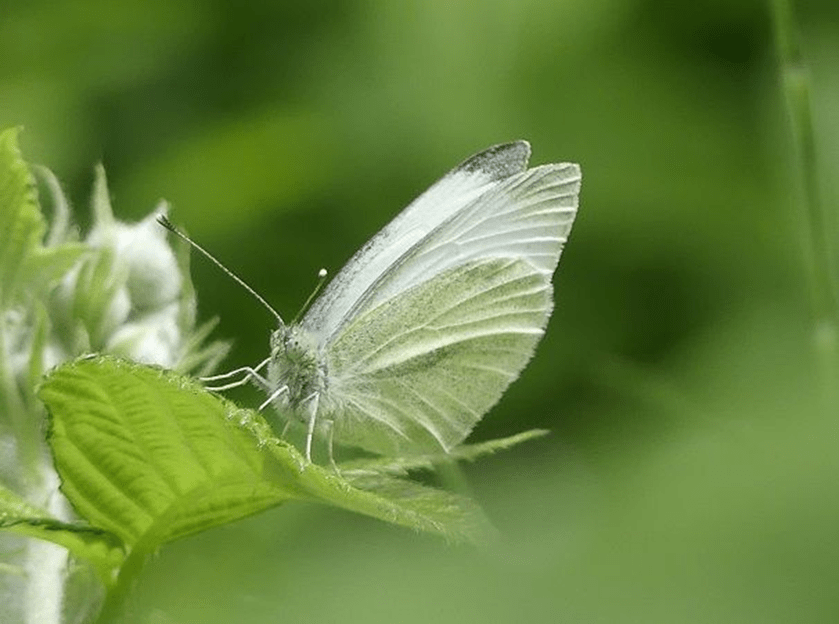
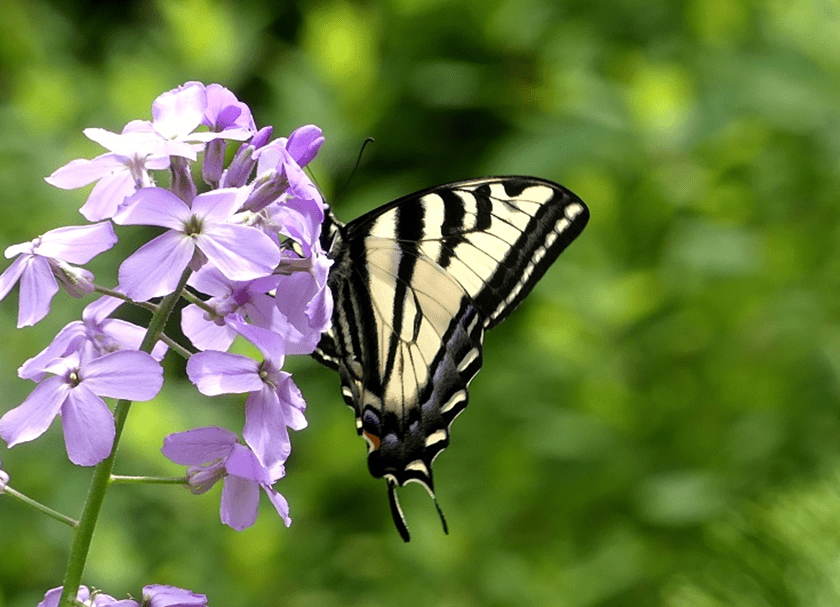
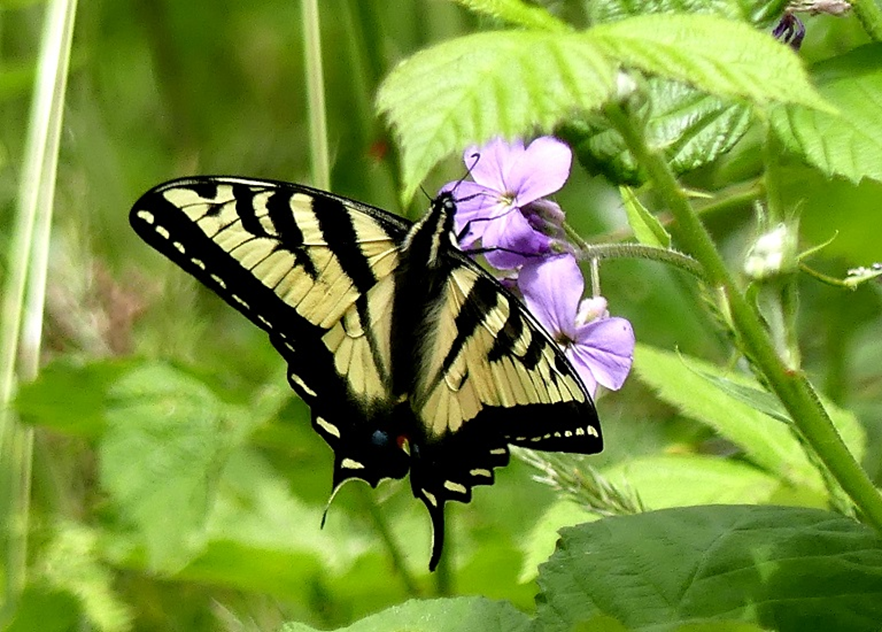
Today May 30, at Cowichan Station, Aziza Cooper saw a few whites, blues and tiger swallowtails, not all seen close enough to identify with certainty. A photograph of a white proved to be a Cabbage White, and a swallowtail was a Western Tiger Swallowtail
Today at the corner of Koksilah Road and the highway, there were two courting blues, and a photograph of one proved to be a Silvery Blue.
Cabbage White Pieris rapae (Lep.: Pieridae) Aziza Cooper
Western Tiger Swallowtail, lateral view, Pterourus rutulus (Lep.: Papilionidae) Aziza Cooper
Western Tiger Swallowtail, dorsal view Pterourus rutulus (Lep.: Papilionidae) Aziza Cooper
Silvery Blue Glaucopsyche lygdamus (Lep.: Lycaenidae) Aziza Cooper
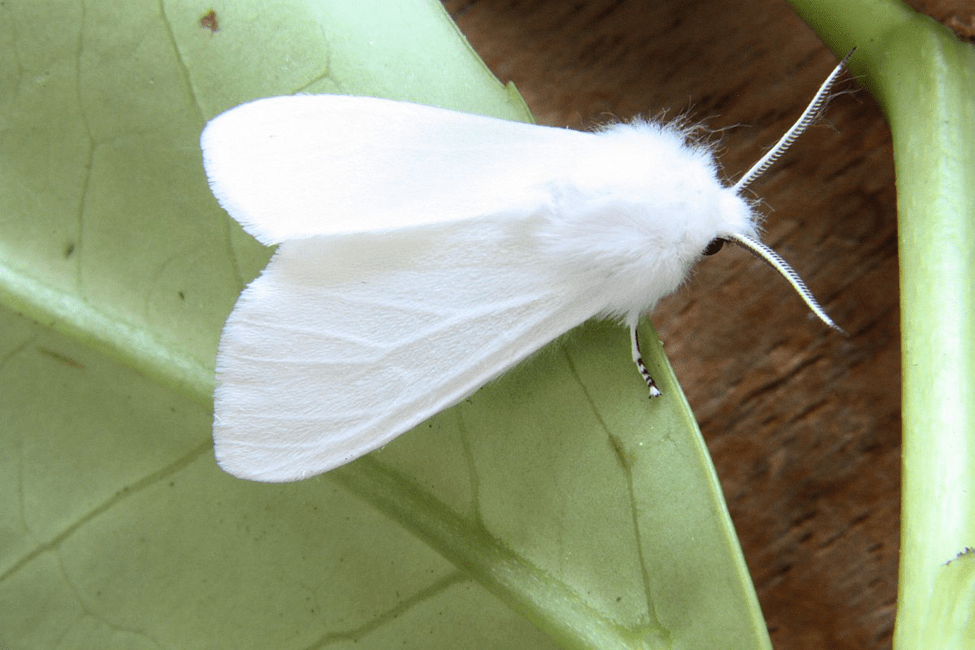
Janet Renouf sends a photograph of a Virginia Tiger Moth. The markings on the abdomen show why it is called a tiger moth.
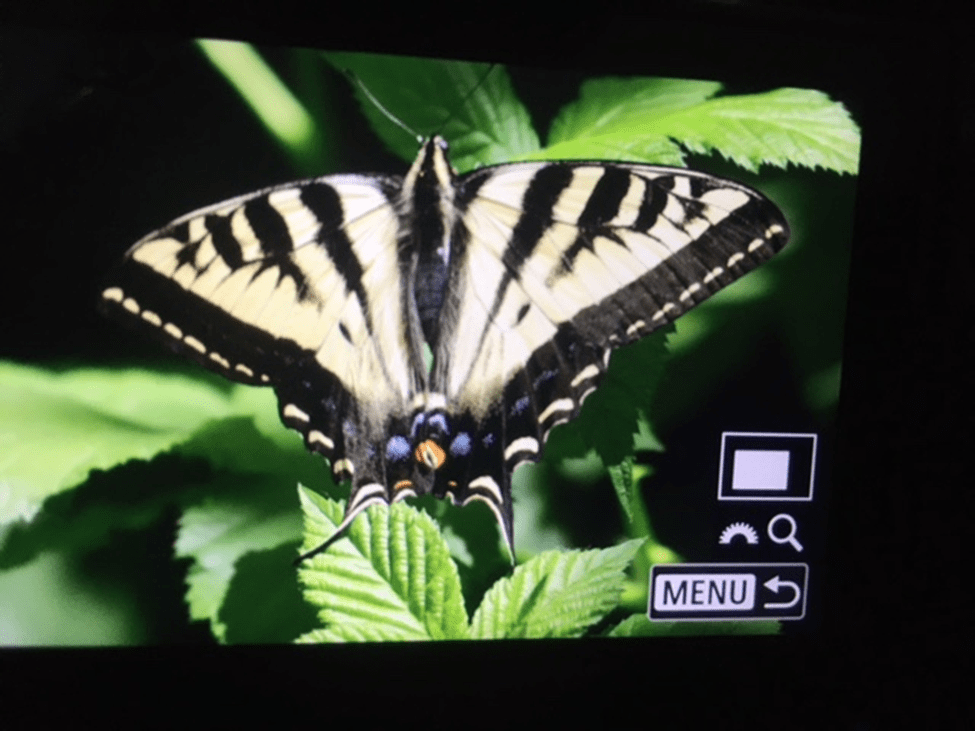
Val George writes : This afternoon, May 30, on Mount Douglas there were the following butterflies: 5 Painted Ladies, 4 Red Admirals, 2 Pale Tiger Swallowtails, one Western Tiger Swallowtail and one Anise Swallowtail. He sends the following two photographs:
Painted Lady Vanessa cardui (Lep.: Nymphalidae) Val George
Red Admiral Vanessa atalanta (Lep.: Nymphalidae) Val George
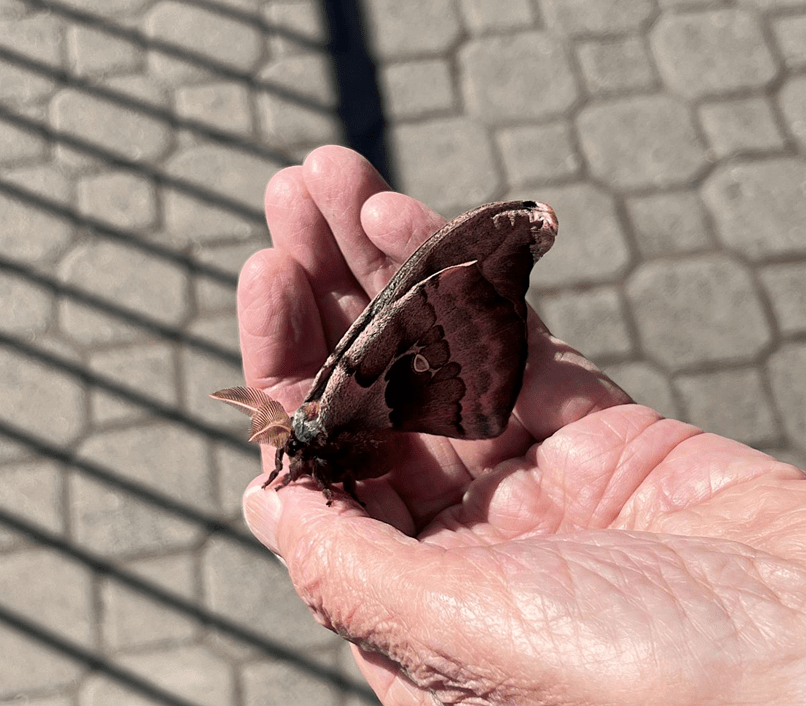
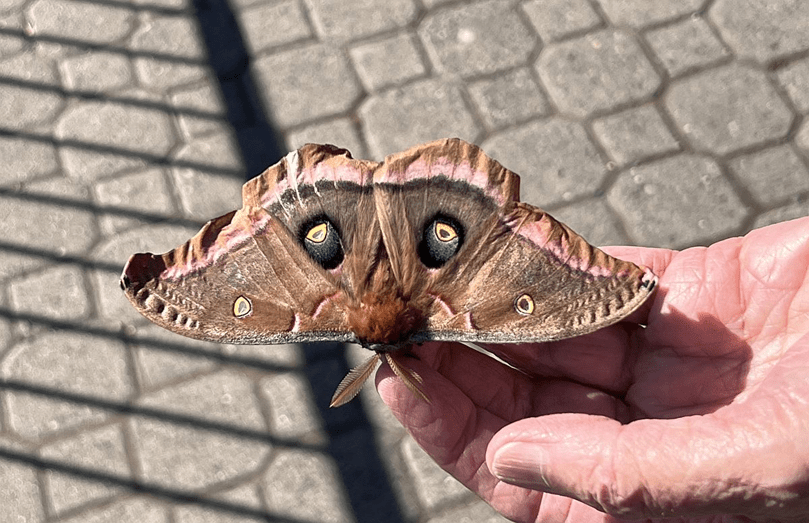
Jeremy Tatum writes:The Polyphemus Moth shown below emerged from the cocoon found last year by Ann Tiplady and shown on 2024 November 22 (page 7) of Invert Alert. It is a male (large bipectinate antennae) and it was too active for me to photograph at home. However, just before I released it on Mount Douglas yesterday, I was fortunate to meet Nora Vincent-Braun, who photographed this gigantic moth sitting on my hand. (The moth was, not Nora.)
Male Polyphemus Moth Antheraea polyphemus (Lep.: Saturniidae) Nora Vincent-Braun
Male Polyphemus Moth Antheraea polyphemus (Lep.: Saturniidae) Nora Vincent-Braun
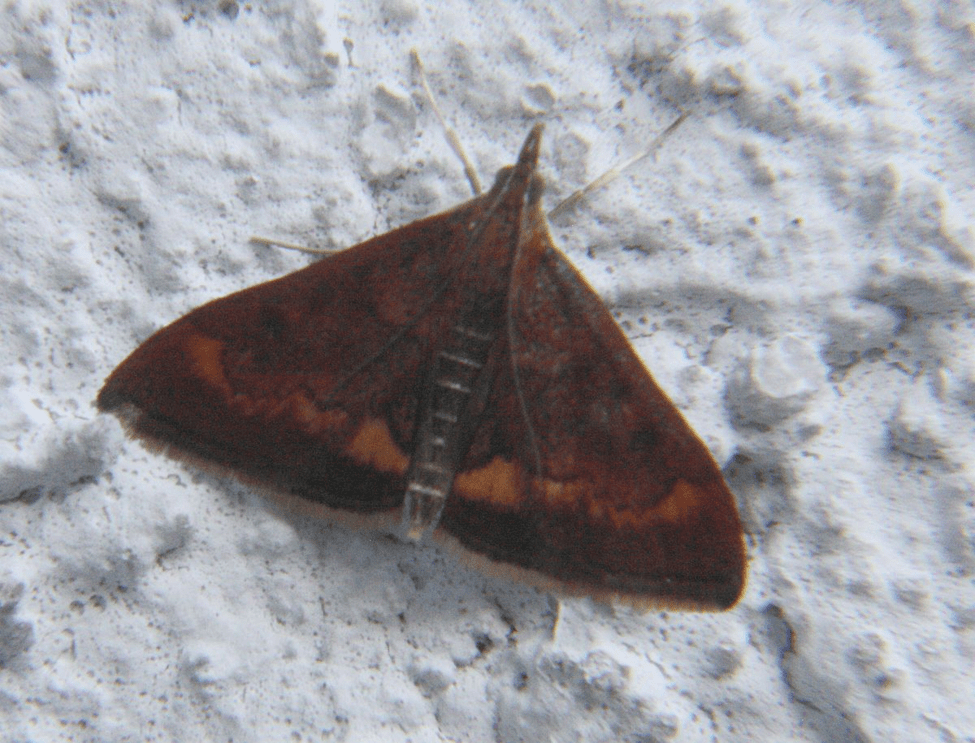
The much smaller moth (about the size of the eyespots on the hindwings of the Polyphemus) shown below was on the wall of my Saanich apartment this morning:
Pyrausta californicalis (Lep.: Crambidae) Jeremy Tatum
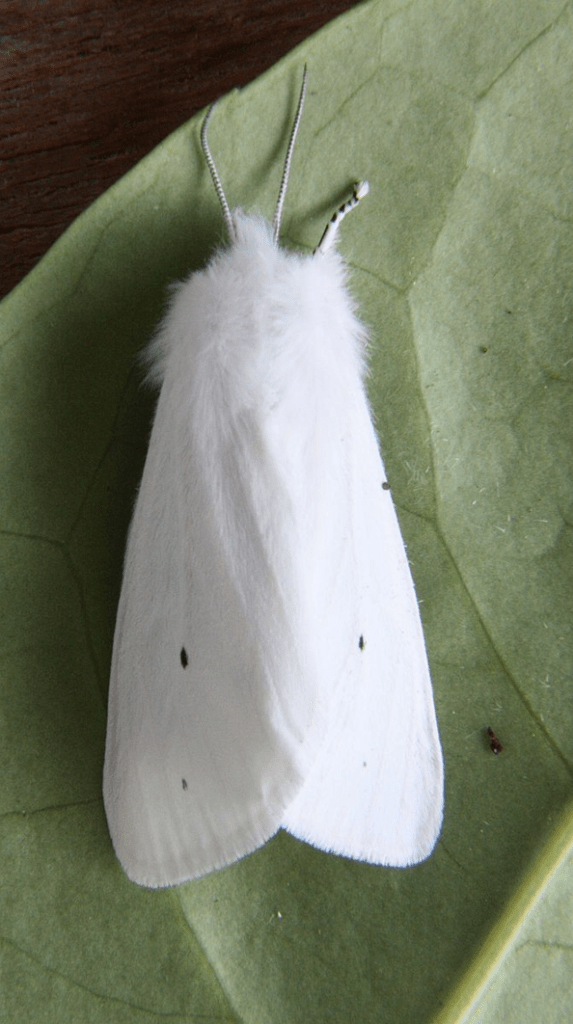
Shown below is a Virginia Tiger Moth, which emerged today from a cocoon formed last year by a Yellow Woolly Bear caterpillar.
Spilosoma virginica (Lep.: Erebidae – Arctiinae) Jeremy Tatum
Marie O’Shaughnessy sends a photograph of her first swallowtail of the year, at Outerbridge Park yesterday. Also there, she reports six Cabbage Whites, two Western Spring Azures, six Cardinal Meadowhawks, two California Darners and four Four-spotted Skimmers.
Western Tiger Swallowtail Pterourus rutulus (Lep.: Papilionidae) Marie O’Shaughnessy
InvertAlert – Reminder Although no further pictures are now being added to InvertAlert, the predecessor of InvertSightings, you can still access InvertAlert by typing https://www.vicnhs.bc.ca/?cat=8 InvertAlert goes back to 2010. If you click on the words INVERTEBRATE ALERT at the very top of the site, you can find some instructions on how to navigate through the site (e.g. how to find an old entry).


















 Invert Sightings