Author: tatumjb352

  • 2025 October 4

    2025 October 4

       It is not always realized that the undersides of the hindwings of the Cabbage White butterfly are yellow, and consequently they are occasionally reported as sulphur butterflies.  However, it is usually quite a pale yellow, not like the intense yellow of a sulphur.  All the same, occasionally the yellow of a Cabbage White is surprisingly intense, as shown in these photographs by Marie O’Shaughnessy.
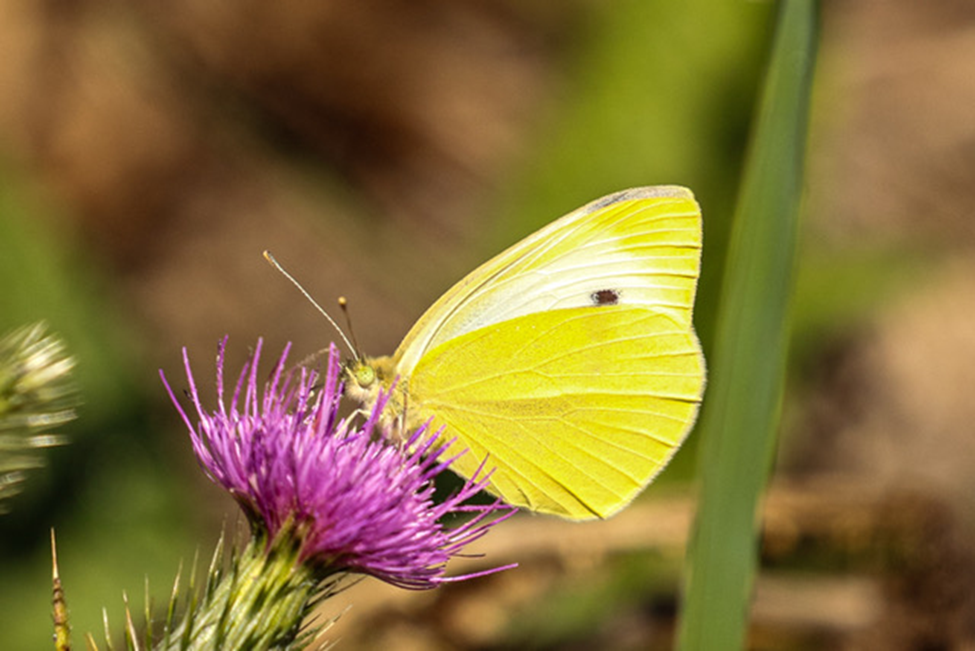
    Cabbage White Pieris rapae  (Lep.: Pieridae)    
    Marie O’Shaughnessy
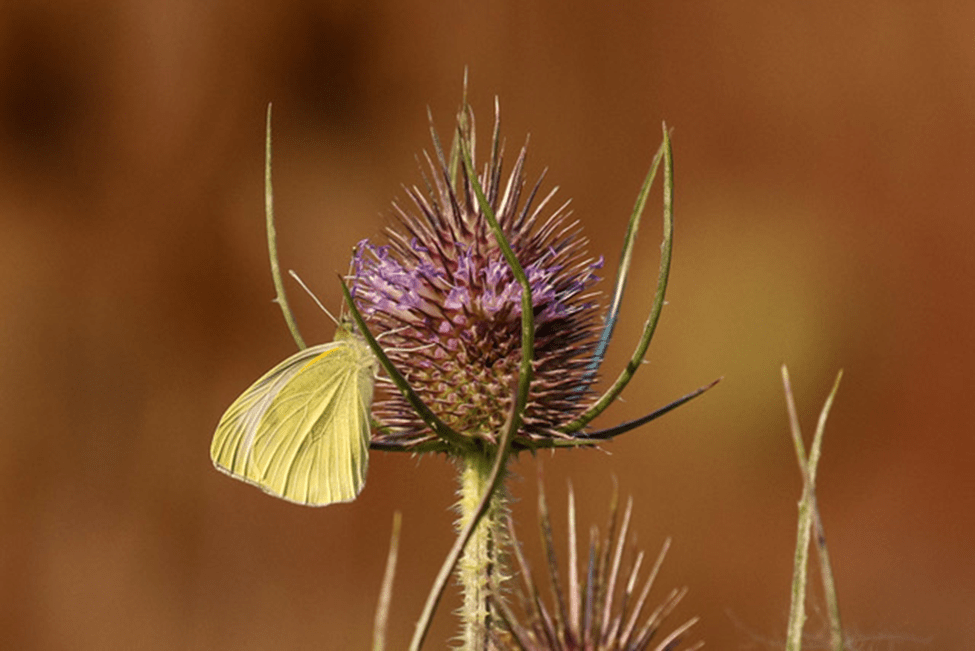
    Cabbage White Pieris rapae  (Lep.: Pieridae)
         Marie O’Shaughnessy

       A genuine sulphur (Colias sp.) is quite different, as shown in the photograph below, taken by Marie at McIntyre reservoir, September 15.   Having determined that it is indeed a sulphur and not a Cabbage White, that is not an end to our difficulties.   There are three species of Sulphur to be seen on Vancouver Island – Orange, Clouded and Western.  The first two are migrants, the third a resident, but all are rare in the Victoria area, and all are difficult to distinguish.  We can’t say with complete certainty what Marie’s sulphur is, so we shall leave it as Colias sp.  If anyone has strong feelings as to exactly what it is, let us know – but we’ll need a bit of convincing.

    Sulphur butterfly  Colias sp.  (Lep.: Pieridae)   Marie O’Shaughnessy

      Purplish Coppers have been scarce this year, but here is a male photographed by Marie at McIntyre reservoir on August 7.   Although this is not a recent photograph, we don’t want to lose this record, so here it is.
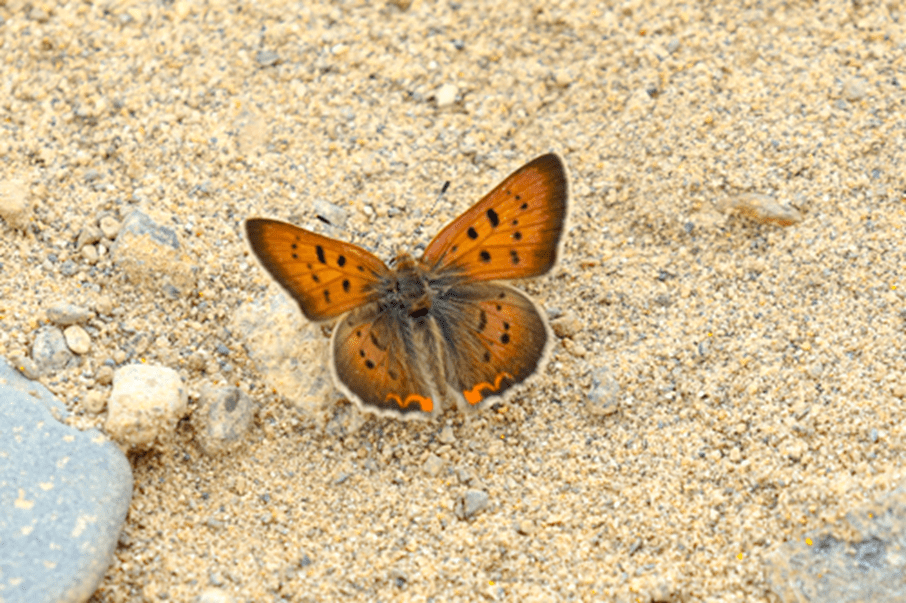
    Male Purplish Copper  Tharsalea helloides  (Lep.: Lycaenidae)  Marie O’Shaughnessy

    Male Purplish Copper  Tharsalea helloides  (Lep.: Lycaenidae)  Marie O’Shaughnessy

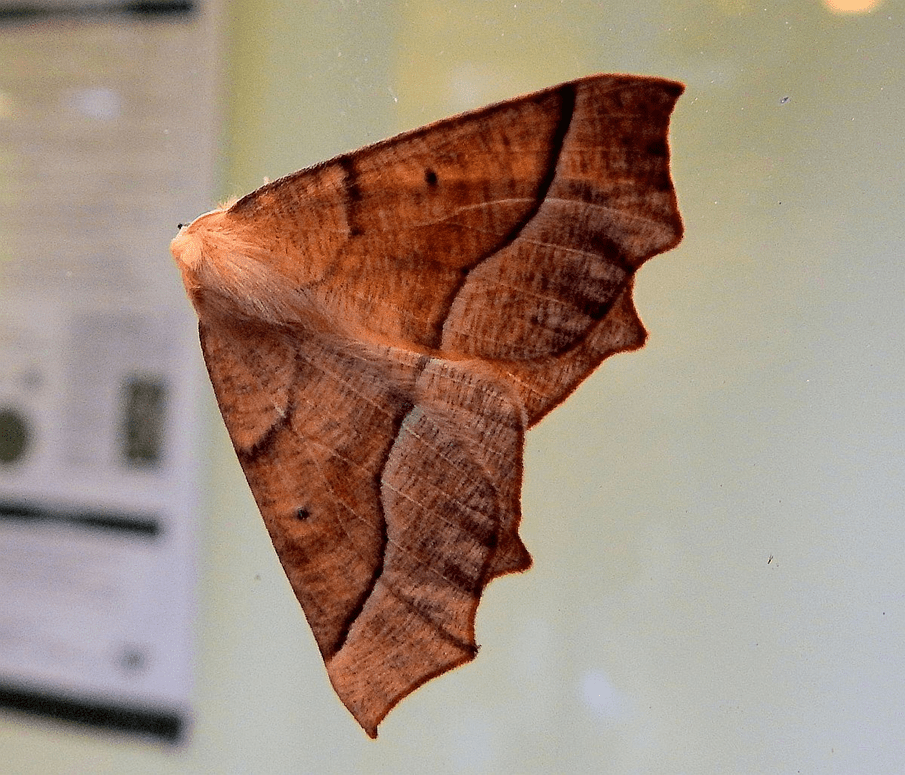
      On October 2 we posted a photograph by Val George at Swan Lake of a moth that we thought most likely Tetracis pallulata, but possibly T. jubararia.  There were three similar moths there, and Val took the photograph shown below of another of them. This time, writes Jeremy Tatum, I would lean toward jubararia  rather than pallulata, but the truth is that we just don’t know for certain what either of them is.

    Tetracis jubararia / pallulata   (Lep.: Geometridae)  Val George

       It seems that the tortricid  Acleris rhombana is quite common around here just now.  Here is the third that I have photographed at my Saanich apartment, writes Jeremy Tatum, in the last few days.
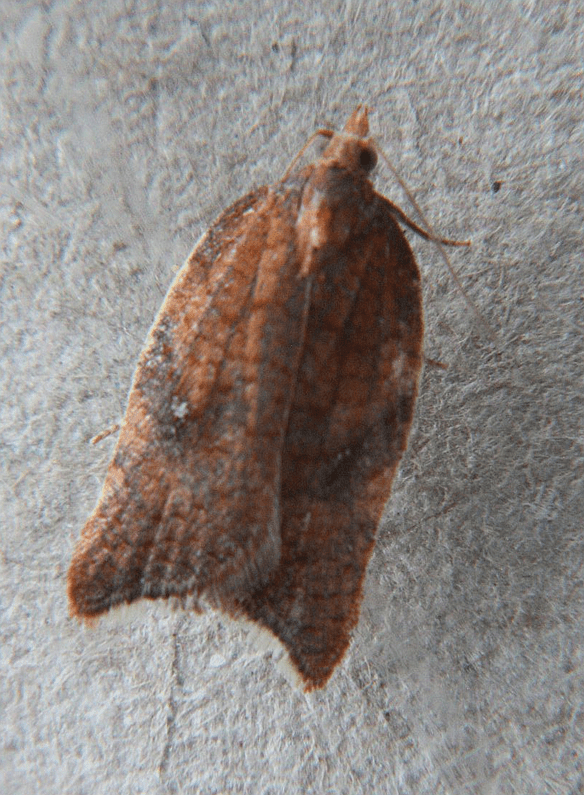
    Acleris rhombana  (Lep.: Tortricidae)  Jeremy Tatum

       Dragonfly numbers are beginning to diminish, but there are still a few around. Here is a meadowhawk (we cannot be sure which species) photographed by Aziza Cooper on September 24 at Panama Flats.

    Meadowhawk  Sympetrum sp.  (Odo.: Libellulidae)  Aziza Cooper

    Here is a photograph of a Striped Meadowhawk photographed by Marie O’Shaughnesssy at Heritage Acres on September 16,

    Striped Meadowhawk Sympetrum  pallipes  (Odo.: Libellulidae) Marie O’Shaughnessy

    And here is another dragonfly photographed by Marie at McIntyre reservoir, October 1.
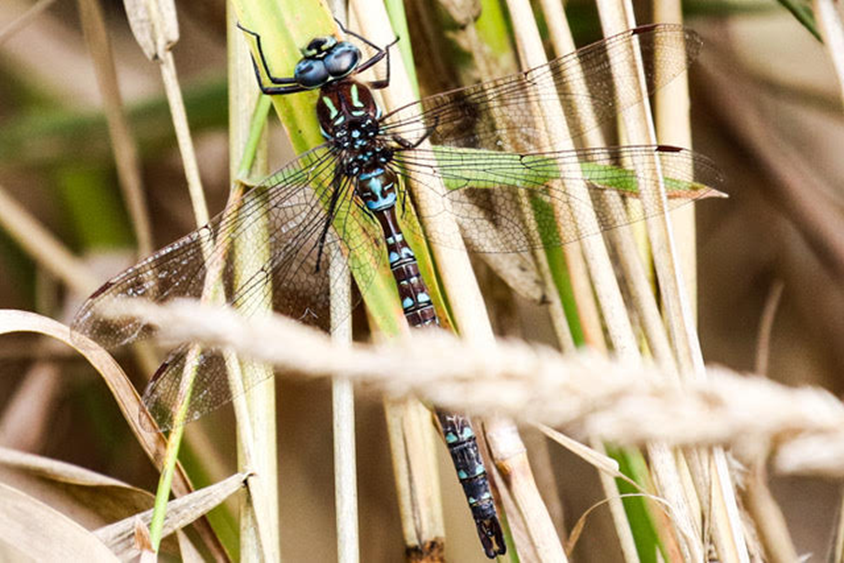
    Shadow Darner Aeshna umbrosa  (Odo.: Aeshnidae)
    Marie O’Shaughnessy

    Jeremy Tatum writes:  It has been a busy day for this site today, so it’s not impossible that I may have missed one or more submissions.  If I have missed one, let me know.
  • 2025 October 2 evening

    2025 October 2 evening

       Val George writes:  On October 1, there were three Tetracis moths near the door of the Swan Lake nature house.  Jeremy Tatum writes:  The moth shown below is either T. jubararia or T. pallulata.  The liberal sprinkling of tiny elongated dots over the wings, plus the two very emphatic  transverse lines, suggests (but no more than suggests) to my mind that this is more likely T. pallulata.

    Tetracis pallulata / jubararia  (Lep.: Geometridae)   Val George

       To those who wonder why we sometimes have difficulty in identifying moths, compare the photograph of the moth shown below (from Jeremy Tatum’s Saanich apartment this morning)  with the one shown on September 30.  They may not look at all alike, but, writes Jeremy Tatum, I believe they are both the same species,  Acleris rhombana.

    Acleris rhombana  (Lep.: Tortricidae)  Jeremy Tatum

      In the case of Tetracis we have two moths that look almost indistinguishable, yet they are distinct species.  In the case of Acleris, we have two moths that look almost totally different, yet they are the same single species. Small wonder that we sometimes find identification difficult!

       Wendy Ansell reports a Cabbage White butterfly at Island View Beach, October 2,  We may soon be approaching the last sighting of the year.

  • 2025 October 2 morning

    2025 October 2 morning

       Bruce Whittington sends a photograph of an American Lady from his back patio in Ladysmith, September 23.

    American Lady Vanessa virginiensis  (Lep.: Nymphalidae) 
    Bruce Whittington

     More lep photos this evening.

  • 2025 September 30

    2025 September 30

      Aziza Cooper sends a photograph of a meadowhawk dragonfly at Panama Flats, September 24.  We’ll post the picture as soon as we are certain of the identification.

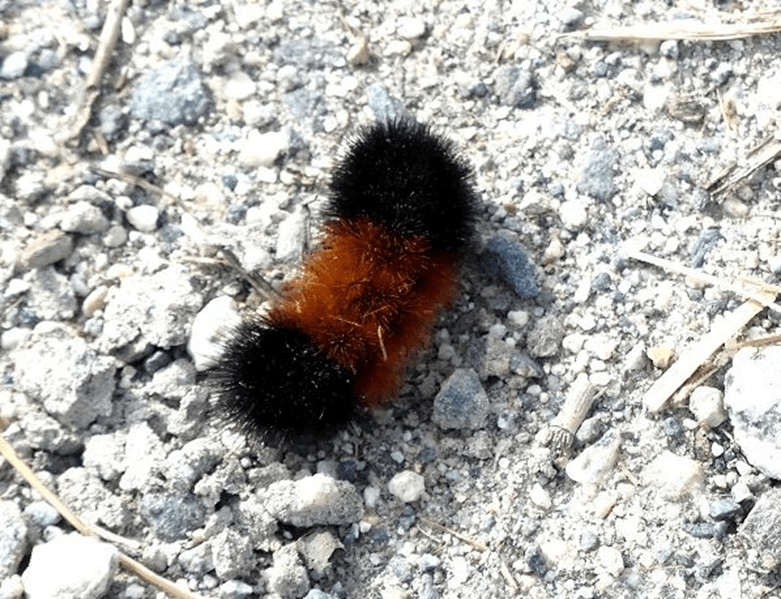
     She also sends a photograph of the caterpillar shown below at Maber Flats, September 26.  This is the Banded Woolly Bear.   This caterpillar is most commonly found during October; sometimes there are then large numbers at Panama Flats.   In case you are tempted to take one home for rearing to adult, Jeremy Tatum writes:  In my experience, this is one of the most difficult caterpillars to rear successfully, and it is very likely to die during the winter.  It is a different matter if one is found in March, when it will be looking for somewhere to pupate, and you are then much more likely to achieve success.

    Banded Woolly Bear  Pyrrharctia isabella
    (Lep.: Erebidae – Arctiinae) 
    Aziza Cooper

      Aziza also repots a Cabbage White near the Juan de Fuca Library on September 26.  Is that going to be the last butterfly seen this year?

       Jeremy Tatum shows this photograph of a small moth found at his Saanich apartment on September 29.  It was kindly identified by Dr Jason Dombrowskie as Acleris rhombana.  This is a European species which is fairly common here, and has been reported several times on Invert Alert.  Interestingly, all records that I have found on searching the Internet for North American records of the species are from Vancouver Island.  I haven’t found any North American records from elsewhere.

    Acleris rhombana   (Lep.: Tortricidae)   Jeremy Tatum

  • 2025 September 28

    2025 September 28

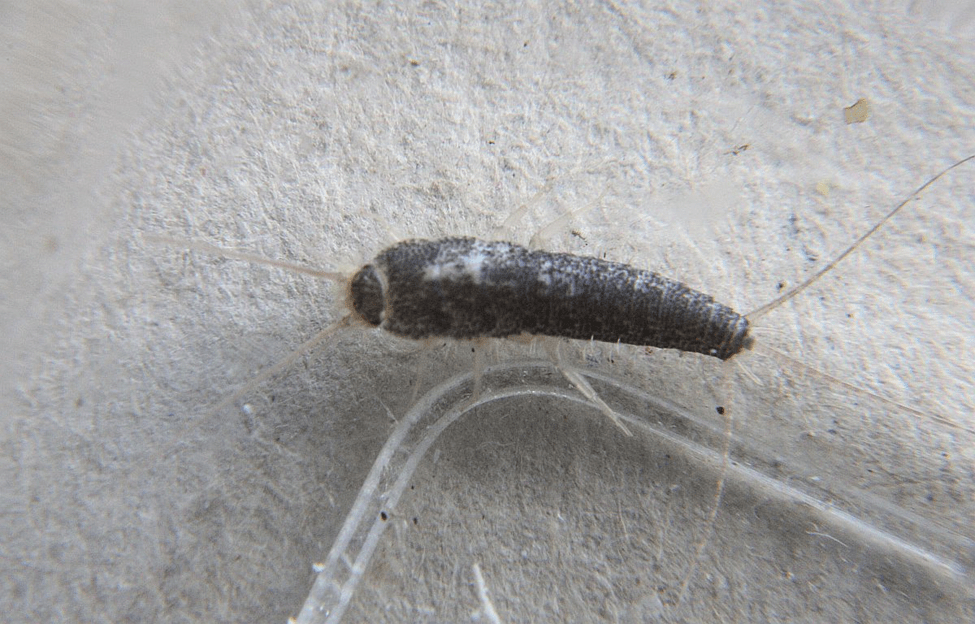
       Jeremy Tatum writes:  I searched my apartment today to see if I could find another German Cockroach.  Luckily, I couldn’t.  The best I could come up with was this Ctenolepisma longicaudata,  which is related to and somewhat resembles the Firebrat or the Silverfish.

    Ctenolepisma longicaudata  (Zyg.:  Lepismatidae)   Jeremy Tatum

       No Cabbage Whites reported today.

  • 2025 September 27 evening

    2025 September 12 evening

       There are still Cabbage Whites around – Wendy Ansell reports three today.  But they will soon be the last of the year, so keep a look out.

       So far, no one has reported ever seeing a German Cockroach in the area, so I assume they are not very common in Victoria.  However, I have learned that the one in my apartment last night is not the only one in our building – apparently two or three have been seen in recent days.

  • 2025 September 27 morning

    2025 September 27 morning

       Jeremy Tatum writes:  I saw a lifer insect in my apartment last night – Blatella germanica (Bla.: Ectobiidae).  While it is always exciting to see a lifer,  one is enough to see in my building, and I am not anxious to see more there.   I am wondering – how common are they in Victoria?  Have any other viewers of this site ever seen a German Cockroach here?  Let us know.

      We have received no Cabbage White reports in the last few days, so let us know if you see any.

  • 2025 September 24

    2025 September 24

         This California Tortoiseshell was seen by Sonja Futehally on September 19th at Rocky Point in Metchosin.

    California Tortoiseshell  Nymphalis californica  (Lep.: Nymphalidae)
      Sonja Futehally

      Aziza Cooper writes:   On September 23, at East Sooke Park, I saw two Sheep Moths fly by. One was at the Hawk Lookout and the other was at Aylard Farm.

        Cabbage White butterflies are still being reported from several localities.

  • 2025 September 23 evening

    2025 September 23 evening

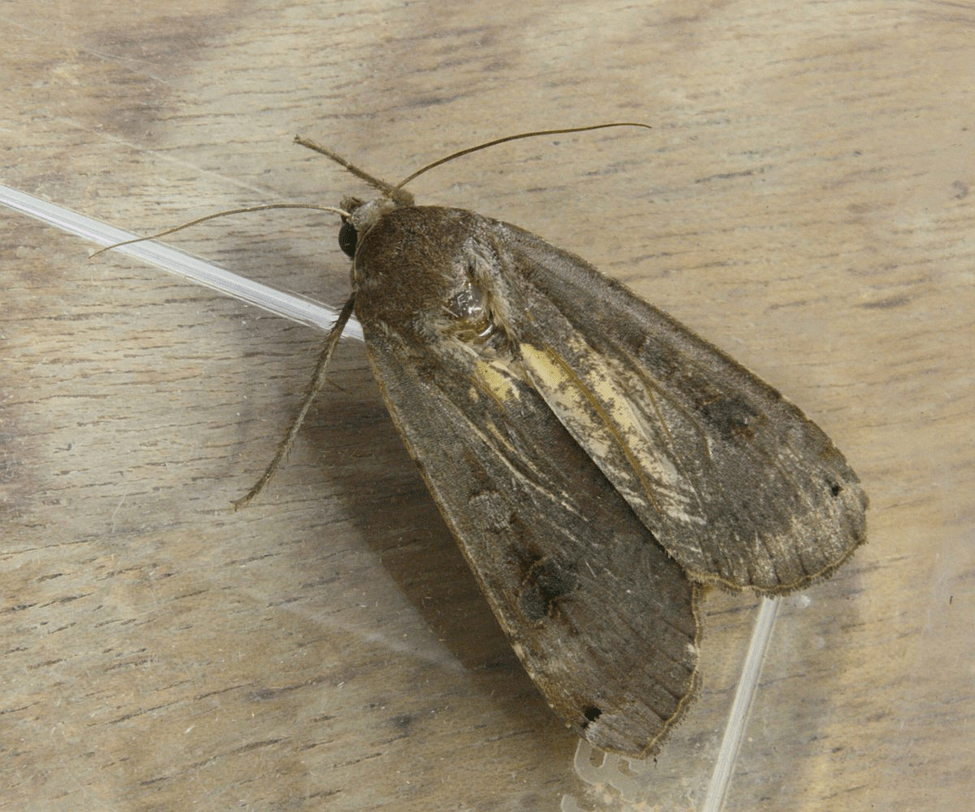
       Jeremy Tatum writes:   This rather worn introduced European moth, the Large Yellow Underwing, was at my Saanich apartment this afternoon.

    Noctua pronuba  (Lep.: Noctuidae)   Jeremy Tatum

       There were still a few Cabbage White butterflies on the wing today.

  • 2025 Sept mber 23 morning

    2025 September 23 morning

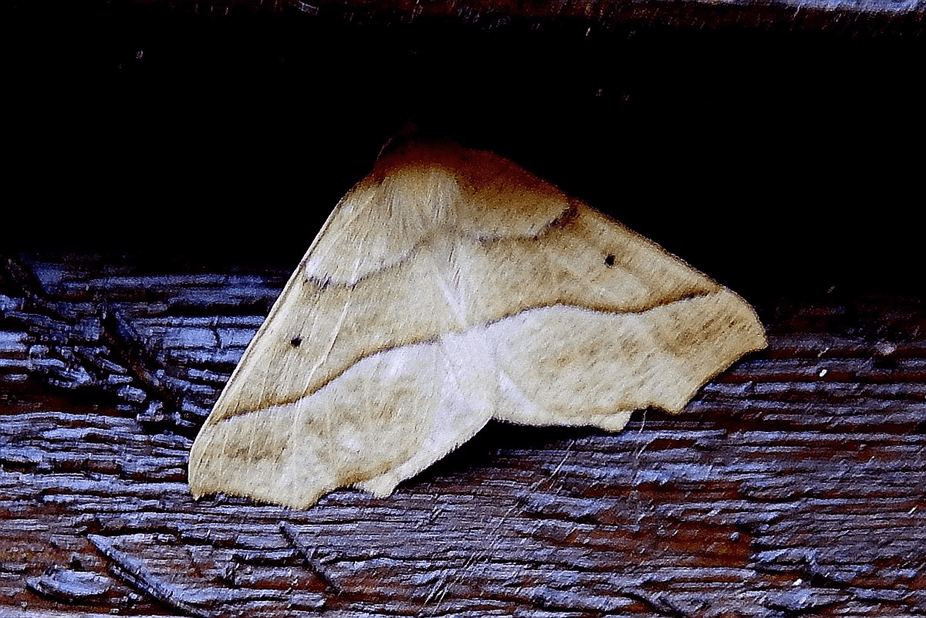
       Val George writes:  I saw these two moths yesterday, September 22. The Tetracis jubararia was on the wall of the Nature House at Goldstream Park; the Autographa californica was on the wall of my Oak Bay house.

    Tetracis jubararia  (Lep.: Geometridae)  Val George

    Autographa californica   (Lep.: Noctuidae) Val George